
Why LED Technology Is the Future of Energy-Efficient Lighting?

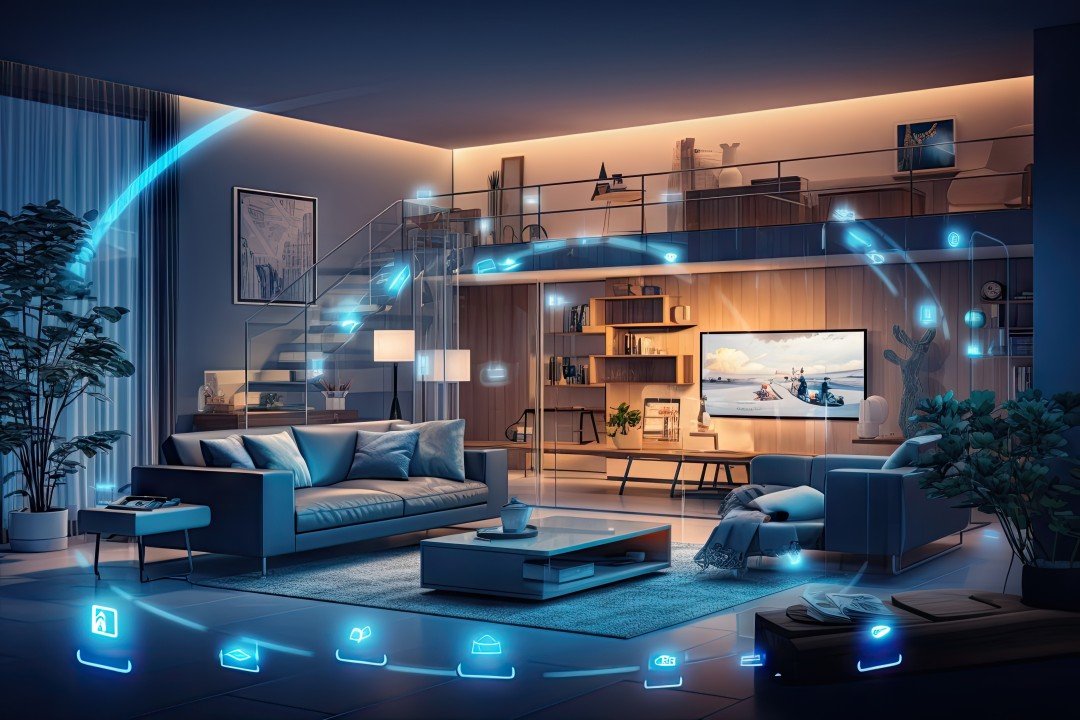
Lighting the Future LED Technology Is No Longer Optional in today’s rapidly changing world because lighting has become a critical part of energy management, sustainability, and modern living. Lighting the Future: LED Technology is no longer just an upgrade from traditional bulbs; it has become a necessity for homes, businesses, industries, and cities.
As global energy demand continues to rise and environmental challenges increase, older lighting systems are no longer efficient enough. They waste energy, increase electricity bills, and contribute to environmental damage. In contrast, LED technology offers a smarter, cleaner, and more efficient solution. Lighting the Future: LED Technology Is No Longer Optional because it delivers energy efficiency, long-term savings, smart control, and environmental protection all in one system.
Why Lighting the Future LED Technology Is No Longer Optional
LED lighting has completely replaced traditional lighting systems because it meets the real demands of modern life in a more effective way. Lighting the Future: LED Technology Is No Longer Optional Today because it is not just an improvement, but a complete upgrade in how we use light. It is more efficient, more durable, and far more adaptable than old lighting technologies like incandescent or fluorescent bulbs.
Traditional lighting systems were designed for a time when energy efficiency and environmental impact were not major concerns. In contrast, LED technology is built for the modern world where sustainability, cost savings, and smart control are essential. This is why industries, governments, and households are rapidly switching to LED lighting.
LEDs are essential today because they provide maximum energy efficiency with very little waste, deliver brighter and more stable lighting output, and significantly reduce electricity costs. They also offer an extremely long lifespan compared to traditional bulbs, which means fewer replacements and less maintenance over time. In addition, LED lighting is environmentally safe, produces fewer carbon emissions, and does not contain harmful materials like mercury. All these factors clearly show why Lighting the Future LED Technology Is No Longer Optional for modern infrastructure and development.
Energy Efficiency: The Core of LED Technology
One of the most important reasons behind the global shift to LED lighting is its high level of energy efficiency. Traditional lighting systems waste a large portion of electricity by converting it into heat instead of light. This makes them inefficient and costly to operate over time. LED technology solves this problem by using energy in a much smarter way.
LED lights convert most of the electricity they consume directly into usable light. This means very little energy is wasted, and more brightness is produced with less power. As a result, overall energy consumption is significantly reduced, making LEDs far more efficient than older lighting options.
This improved efficiency helps reduce pressure on national power grids and supports better energy management at both small and large scales. For households, it results in lower monthly electricity bills, while for businesses and cities, it leads to massive long-term savings. In large-scale applications such as industrial zones, commercial buildings, and urban infrastructure, the financial and energy savings become even more impactful and noticeable.
Economic Benefits and Long-Term Cost Savings
Lighting the Future: LED Technology Is No Longer Optional, not only because of energy efficiency but also because of strong economic advantages. Many people initially focus on the higher purchase price of LED bulbs compared to traditional lighting. However, this short-term cost does not reflect the long-term financial benefits that LEDs provide.
Over time, LED lighting proves to be far more cost-effective. Since LEDs consume less electricity, they help reduce monthly energy bills consistently. Their long lifespan also means they do not need frequent replacement, which reduces both material and labor costs. In commercial and industrial environments, this also minimizes downtime caused by maintenance or bulb replacement.
Unlike traditional lighting systems that burn out quickly and require regular replacement, LED systems can operate efficiently for years without losing performance. This long operational life makes them a smart financial investment for both small users and large organizations. When evaluated over a long period, LED lighting clearly becomes the most economical lighting solution available in the market today.
Environmental Responsibility and Sustainability
Environmental protection has become a global priority, and lighting systems play an important role in achieving sustainability goals. Traditional bulbs consume more electricity, which leads to higher carbon emissions from power generation. They also often contain harmful materials that can create disposal challenges and environmental risks.
LED technology offers a cleaner and safer alternative. By using less energy, LEDs directly reduce carbon emissions and help lower the overall environmental footprint of lighting systems. They also eliminate the use of toxic substances like mercury, making them safer for both humans and the environment.
In addition, LED lights last much longer than traditional bulbs, which reduces waste generation significantly. Fewer replacements mean less manufacturing, packaging, and disposal impact on the environment. Because of these advantages, lighting the Future LED Technology Is No Longer Optional in modern green building practices, sustainable development projects, and environmental protection strategies across the world.
Smart Features and Flexible Lighting Control
Modern LED systems are not limited to just saving energy; they also bring intelligence and flexibility into lighting design. Unlike traditional lighting, LED systems can easily integrate with smart technologies and automation systems, making lighting more interactive and user-friendly.
LED lighting can now be controlled through digital systems that allow users to adjust brightness levels according to need. It also supports color temperature changes, which means lighting can be made cooler or warmer depending on the time of day or the type of activity. Motion detection features allow lights to turn on or off automatically, improving convenience and reducing unnecessary energy use.
In more advanced systems, LED lighting can be scheduled and controlled remotely using mobile apps or smart home systems. This level of control makes lighting more efficient, personalized, and adaptive to different environments. As smart homes, smart offices, and smart cities continue to grow, LED technology plays a central role in this transformation.
Health, Comfort, and Human-Centric Lighting
Lighting has a direct impact on human health, mood, and productivity. Poor lighting conditions can lead to eye strain, headaches, fatigue, and even sleep disturbances. LED technology helps solve these issues by supporting human-centric lighting design that aligns with natural biological rhythms.
LED lighting can be adjusted to match different needs throughout the day. Cooler lighting tones help improve focus and concentration during working hours, making them ideal for offices, schools, and study environments. On the other hand, warmer lighting tones create a relaxing atmosphere that supports rest and better sleep during evening hours.
LEDs also reduce flickering compared to traditional lighting, which helps minimize eye strain and improve visual comfort. Some advanced LED systems can even simulate natural daylight, which enhances overall well-being and creates healthier indoor environments. Because of these benefits, lighting the Future LED Technology Is No Longer Optional in modern architecture, interior design, and workplace planning.
Smart Cities and Urban Development
LED lighting is playing a major role in shaping modern cities and urban infrastructure. Governments and municipalities around the world are replacing traditional streetlights with LED systems to improve efficiency, safety, and sustainability.
LED streetlights provide better visibility at night, which helps reduce accidents and improve public safety. They also consume significantly less energy, which lowers electricity costs for cities and public services. With smart control systems, LED streetlights can adjust brightness based on traffic flow, weather conditions, or time of day, making them even more efficient.
In addition, LED systems require less maintenance due to their long lifespan and durability. This reduces operational costs for city administrations and improves reliability in public lighting systems. As cities continue to grow and modernize, LED lighting becomes a key foundation for building smart, safe, and energy-efficient urban environments.
Integration with Renewable Energy Systems
The global shift toward renewable energy sources has made LED lighting even more important. Solar energy, wind power, and battery storage systems are most effective when paired with low-energy lighting solutions, and LEDs fit perfectly into this requirement.
LED lights consume very little power, which makes them ideal for solar-powered systems where energy availability may be limited. They are widely used in solar streetlights, off-grid rural electrification projects, emergency backup lighting systems, and energy-efficient smart homes.
Because LEDs maximize the use of available energy, they help improve the efficiency of renewable energy systems and reduce energy waste. This makes Lighting the Future LED Technology Is No Longer Optional in the transition toward clean energy and sustainable living solutions.
Conclusion
Lighting the Future LED Technology Is No Longer Optional because it represents the future of energy-efficient, sustainable, and intelligent lighting systems. Lighting the Future LED Technology continues to transform how we illuminate homes, cities, and industries by reducing energy consumption, lowering costs, and improving quality of life.
From energy efficiency and environmental protection to smart control and health benefits, LEDs offer a complete lighting solution for the modern world. As technology continues to evolve and sustainability becomes even more important, LED lighting will remain at the center of global progress.Lighting the Future: LED Technology Is No Longer Optionalit is the foundation of a smarter, greener, and more efficient future.