
Why LED Lighting Has Become the New Standard for Energy Efficiency?

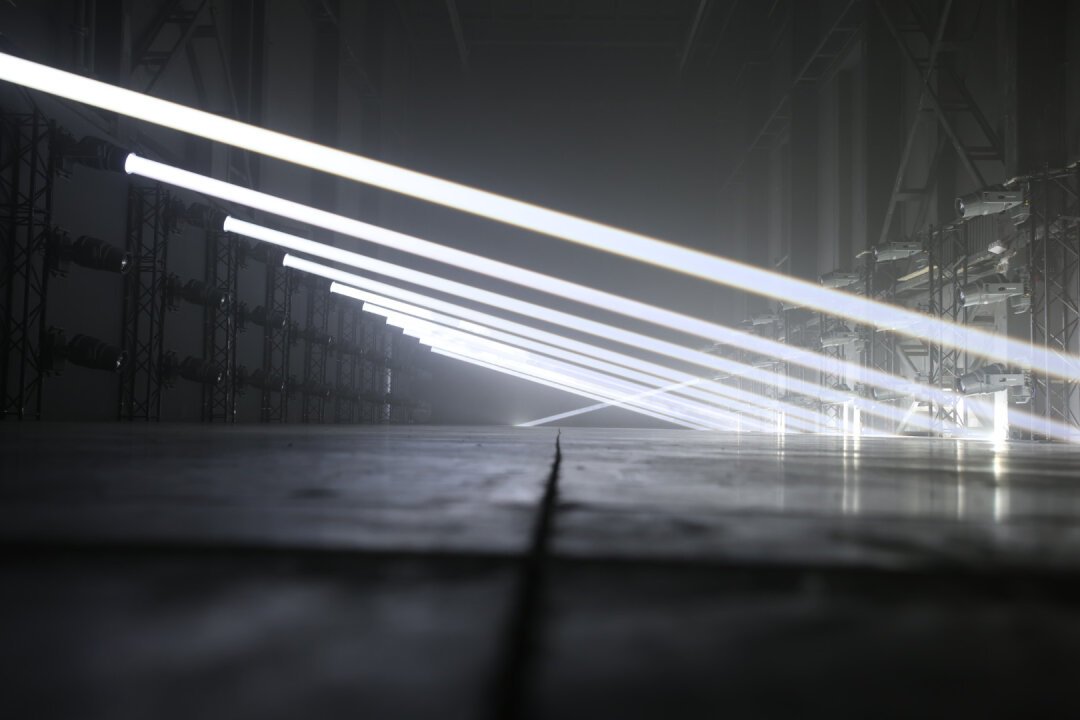
The LED lighting modern life transformation is no longer just a trend; it is a powerful, unstoppable shift that is changing how we live, work, and experience our surroundings every single day. From homes and offices to city streets and factories, LED technology is replacing outdated lighting with smarter, cleaner, and more efficient solutions. This transformation is not happening slowly. It is happening right now, driven by rising energy costs, environmental pressure, and our demand for a better quality of life. Understanding this shift helps you see why LED lighting is no longer optional; it is essential.
Why Energy Efficiency Is Driving the LED Revolution
At the heart of the LED revolution is one simple, undeniable fact: traditional bulbs waste the majority of their energy as heat rather than light. Incandescent bulbs convert only around 10% of their energy into visible light. The rest disappears as wasted heat. LEDs flip this equation entirely. They convert electricity directly and efficiently into bright, usable light, with very little energy lost in the process.
This single difference has a massive ripple effect. Homes that switch to LED lighting immediately notice lower electricity bills. Offices and commercial buildings reduce their energy consumption significantly. Factories and warehouses that run lights for 12 to 16 hours a day see dramatic drops in their operating costs. And at a national level, widespread LED adoption reduces the total demand on power grids, helping to prevent overloads and blackouts during peak periods.
As global energy prices continue to rise and pressure mounts on aging power infrastructure, LEDs offer a proven, reliable solution. They deliver the same brightness or better while drawing a fraction of the power. The worldwide shift toward LED lighting is not just about individual savings. It represents a collective, society-wide move toward smarter energy use, long-term resilience, and a more sustainable relationship with electricity.
The Real Cost Savings That Make LEDs Impossible to Ignore
One of the most common hesitations people have about LED lighting is the upfront cost. LED bulbs and fixtures can cost more than traditional alternatives at the point of purchase. But this comparison is deeply misleading. The true cost of lighting is not what you pay at the store — it is what you pay over the entire lifetime of the product, including energy bills, replacement costs, and maintenance expenses.
When you calculate the total cost of ownership, LEDs win by a remarkable margin. Here is exactly why LED lighting makes such powerful financial sense:
- Lower energy bills, LEDs use up to 80% less electricity than incandescent bulbs to produce the same level of brightness, cutting your monthly utility costs immediately
- Far fewer replacements, a quality LED bulb lasts up to 25 times longer than a standard incandescent, meaning you buy replacements far less often and spend far less over time
- Reduced maintenance costs for businesses and property managers, fewer burnt-out bulbs means less labor time, fewer service calls, and lower overall maintenance budgets
- Better financial predictability, stable, low running costs make it much easier for households and businesses to plan and manage their lighting budgets with confidence
For households, this translates into noticeable savings every month and far fewer trips to buy replacement bulbs. For businesses, especially those running lighting throughout the day and night, the financial impact is even greater. The savings compound month after month, year after year. The financial logic behind switching to LEDs is overwhelming, which is why their global adoption is not just accelerating it is inevitable.
How LED Lighting Supports a Greener, Cleaner Planet
Environmental awareness has fundamentally changed how people make decisions. Consumers, businesses, and governments now weigh the environmental impact of almost every choice they make, and lighting is no exception. LED technology aligns perfectly with the global push toward sustainability, offering environmental benefits that go far beyond simple energy savings.
Because LEDs use significantly less electricity, they reduce the total amount of power that needs to be generated. Less power generation means fewer fossil fuels burned and fewer carbon emissions released into the atmosphere. For individuals, this makes LED lighting one of the easiest and most impactful ways to lower their personal carbon footprint. For organizations committed to carbon reduction targets, LED upgrades can make a measurable, immediate difference in their sustainability reports.
LEDs also contain no hazardous materials. Unlike fluorescent tubes, which contain mercury and require careful disposal, LEDs are far safer to handle and recycle at the end of their long lives. This makes them better for people, better for landfills, and better for ecosystems. As governments around the world implement stricter environmental regulations and phase out inefficient lighting technologies, LED lighting becomes the only forward-looking choice for responsible, future-focused development.
Flexible Lighting That Adapts to Your Modern Lifestyle
Modern life is dynamic. People work from home, exercise indoors, host guests, raise families, and pursue creative hobbies, often all within the same spaces. Static, one-size-fits-all lighting simply cannot serve these varied needs. LED technology solves this problem with unparalleled flexibility and control.
With LED systems, you can adjust brightness levels precisely, bright and energizing when you need focus, softer and dimmer when you want to relax. You can change color temperature throughout the day, moving from crisp, cool daylight tones in the morning to warm, amber hues in the evening. This adaptability helps your body feel alert when it should and calm when it needs to wind down. It makes the same room feel like a productive workspace at 9 am and a cozy living space at 9 pm, without changing a single fixture.
Scheduling features allow lights to follow your daily routine automatically. Smart controls let you manage your entire home’s lighting from a single app. Dimmer switches, motion sensors, and scene presets give you complete command over your environment. This level of flexibility and personalization was once reserved for luxury properties. Today, LED technology makes it accessible, affordable, and easy for everyone.
The LED Lighting Modern Life Transformation Rebuilding Our Cities
Perhaps nowhere is the scale of the LED lighting modern life transformation more visible than in our cities. Urban environments around the world are replacing ageing, energy-hungry streetlights and public lighting systems with modern LED infrastructure, and the benefits are tangible, immediate, and far-reaching.
Well-lit streets and public spaces directly improve safety. Brighter, more consistent illumination reduces accidents at intersections, helps pedestrians navigate at night, and deters criminal activity in areas that previously sat in shadow. Beyond safety, smart LED city lighting introduces a new level of operational intelligence to urban management:
- Adaptive brightness LED streetlights automatically dim when roads are empty late at night and brighten when traffic or pedestrian activity increases, eliminating wasted energy without human intervention
- Remote monitoring city maintenance teams can track the performance of every streetlight in real time, identifying failures instantly and dispatching repairs faster
- Lower municipal costs, cities that complete full LED streetlight upgrades consistently report electricity savings of 50% or more on their public lighting budgets
- Reduced light pollution directional LED fixtures focus light exactly where it is needed, limiting sky glow and protecting the natural night environment for communities and wildlife
These advancements do not just improve how cities look at night. They improve how cities function, how safely residents move through public spaces, and how efficiently public money is spent. LED lighting is fast becoming a cornerstone of modern, smart city planning worldwide.
LED Lighting and Renewable Energy Built for Each Other
The global transition to renewable energy, solar panels, wind turbines, and battery storage systems depends heavily on using available power as efficiently as possible. Renewable systems generate energy in variable amounts. They cannot simply produce more power on demand the way conventional power plants can. This makes minimizing consumption at every point in the system critically important.
LED lighting is uniquely suited to this challenge. Its exceptionally low power consumption means that a solar-powered home, an off-grid community, or a battery-backed emergency installation can sustain reliable, comfortable lighting without exhausting its stored energy. Rural villages in developing regions that rely entirely on small solar arrays can illuminate homes, schools, and clinics effectively using LEDs, where traditional bulbs would quickly drain available power.
As governments, businesses, and communities invest more heavily in clean energy infrastructure, LED lighting naturally becomes the preferred companion technology. The two are so well matched, one generating clean power efficiently, the other using it as sparingly as possible, that choosing LEDs is almost inseparable from choosing renewable energy. Together, they strengthen energy independence, deepen sustainability, and prove that reliable, high-quality lighting and responsible energy use are completely compatible goals.
Conclusion
The LED Lighting Modern Life Transformation is a clear sign of how technology is reshaping everyday life. LED lighting is no longer just an alternative to traditional bulbs—it is becoming the foundation of modern lighting systems across the world. Its ability to combine energy efficiency, environmental responsibility, health benefits, and smart technology integration makes it one of the most important innovations of our time.
As society continues to move toward sustainability and digital transformation, LED lighting will play an even greater role in shaping homes, cities, and industries. It represents a future where lighting is not only functional but also intelligent, adaptive, and environmentally responsible. In this way, LED technology is truly redefining modern life and setting a new standard for how we illuminate the world.