
Why Pakistani Businesses Are Switching to LED Lighting and What It’s Saving Them?

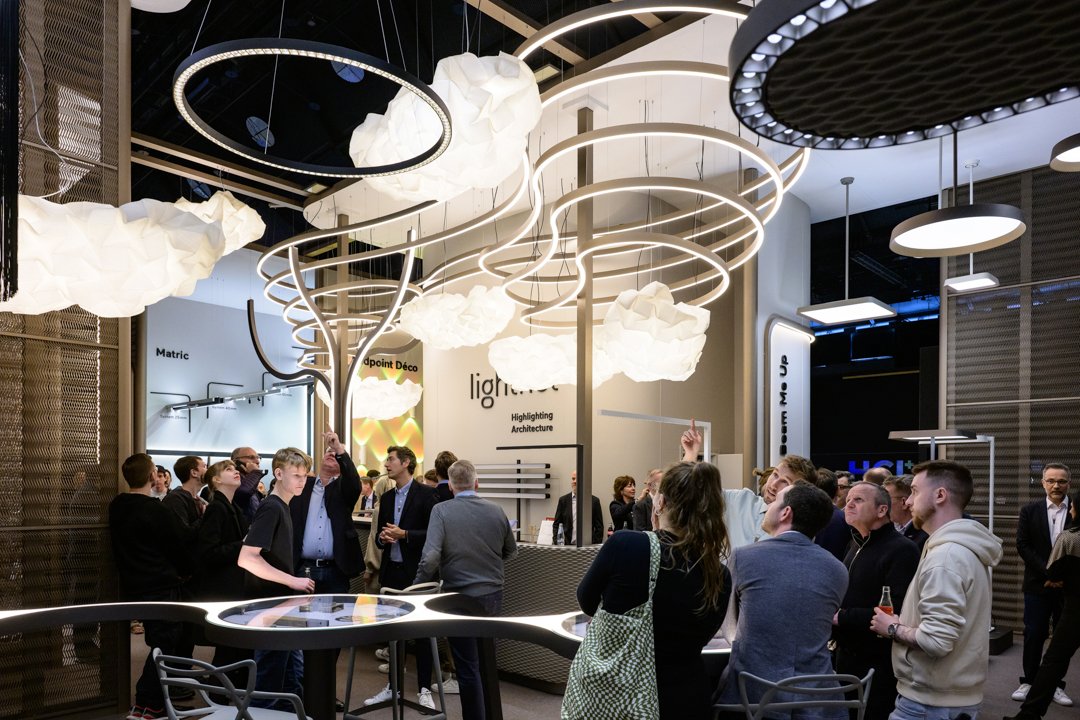
The Urgent Shift to LED Lighting, Urgent Shift to LED Lighting for Smart Sustainable Living, and Urgent Shift to LED Lighting are driving energy efficiency, smart living, and sustainability with advanced LED solutions for homes, cities, and businesses is changing the way the world greatly uses energy. Today, rising electricity costs, environmental challenges, and the growing demand for smart lifestyles are forcing individuals, businesses, and governments to rethink traditional lighting systems.
LED lighting has become more than just an upgrade. It represents a major global shift toward smarter energy use, where efficiency, performance, and sustainability work together. Unlike older lighting technologies that waste energy and generate excess heat, LED systems deliver high-quality illumination with very low power consumption. This change is not only improving daily life but also supporting long-term environmental and economic stability.
Why the Urgent Shift to LED Lighting Is Happening Worldwide
The world is experiencing a rapid increase in energy demand due to urbanization, population growth, and technological expansion. Traditional lighting systems, such as incandescent and fluorescent bulbs, are no longer suitable for this modern demand because they consume more electricity and offer lower efficiency.
LED lighting solves these problems by providing brighter illumination while using significantly less energy. It produces light more effectively and reduces unnecessary energy loss. This makes it an ideal solution for homes, offices, industries, and public spaces. As energy conservation becomes a global priority, LED lighting continues to replace outdated systems across the world.
Energy Efficiency and Environmental Impact
One of the strongest reasons behind the widespread adoption of LED lighting is its ability to support environmental sustainability. Governments and organizations are actively working to reduce carbon emissions, and lighting systems play a major role in this effort because they account for a large portion of electricity usage.
LED lighting helps reduce environmental impact by lowering overall energy consumption and decreasing greenhouse gas emissions. It also generates less heat compared to traditional bulbs, which improves energy efficiency even further. In addition, LEDs last much longer, which reduces waste and minimizes the need for frequent replacements. This combination of efficiency and durability makes LED lighting a key part of global sustainability efforts.
Smart Living and Modern Lifestyle Transformation
Modern lifestyles are becoming increasingly flexible, and lighting needs are evolving along with them. Homes are no longer just places for rest; they are now workspaces, learning environments, and entertainment hubs. Similarly, workplaces require adaptable lighting systems that improve focus, comfort, and productivity.
LED lighting supports this shift by offering advanced features such as brightness control, color temperature adjustment, and smart automation. People can easily customize lighting based on time, mood, or activity. This level of control improves comfort and creates more efficient living and working environments. As smart home technology continues to grow, LED lighting is becoming an essential part of connected and intelligent living systems.
Economic Benefits and Long-Term Savings
Another major reason for the urgent shift to LED lighting is the financial advantage it provides. Electricity costs continue to rise globally, placing pressure on households and businesses. LED lighting helps reduce this burden by using significantly less energy, which directly lowers monthly electricity bills.
In addition to energy savings, LED lights have a much longer lifespan compared to traditional bulbs. This reduces maintenance costs and eliminates the need for frequent replacements. For businesses, especially those operating large facilities or 24-hour environments, these savings become even more significant over time. LED lighting is not just an energy solution; it is also a long-term economic strategy.
Health, Safety, and Urban Development
LED lighting also plays an important role in improving health and safety. Poor lighting can cause eye strain, headaches, fatigue, and even disrupt sleep patterns. Modern LED systems are designed to provide more natural and balanced lighting that supports human comfort and well-being. Some advanced systems even adjust automatically to mimic natural daylight, which helps regulate sleep cycles and improve focus.
In urban environments, LED lighting is transforming public infrastructure. Cities are adopting LED streetlights to improve visibility, enhance safety, and reduce energy costs. These systems are also becoming smarter, with sensors that adjust brightness based on traffic and time of day. This makes urban lighting more efficient and sustainable while improving overall city management.
Technology Integration and the Future of Lighting
LED lighting is also closely connected to modern technology trends such as automation, smart homes, and the Internet of Things. These systems allow users to control lighting remotely, monitor energy usage, and automate settings for maximum efficiency.
This level of integration was not possible with older lighting technologies. Today, LED systems are becoming part of intelligent networks that respond to real-time conditions. This makes lighting more adaptive, efficient, and user-friendly. As technology continues to advance, LED lighting will play an even more important role in shaping smart cities and digital infrastructure.