
How LED Lighting Helps You Save Energy and Reduce Electricity Bills?

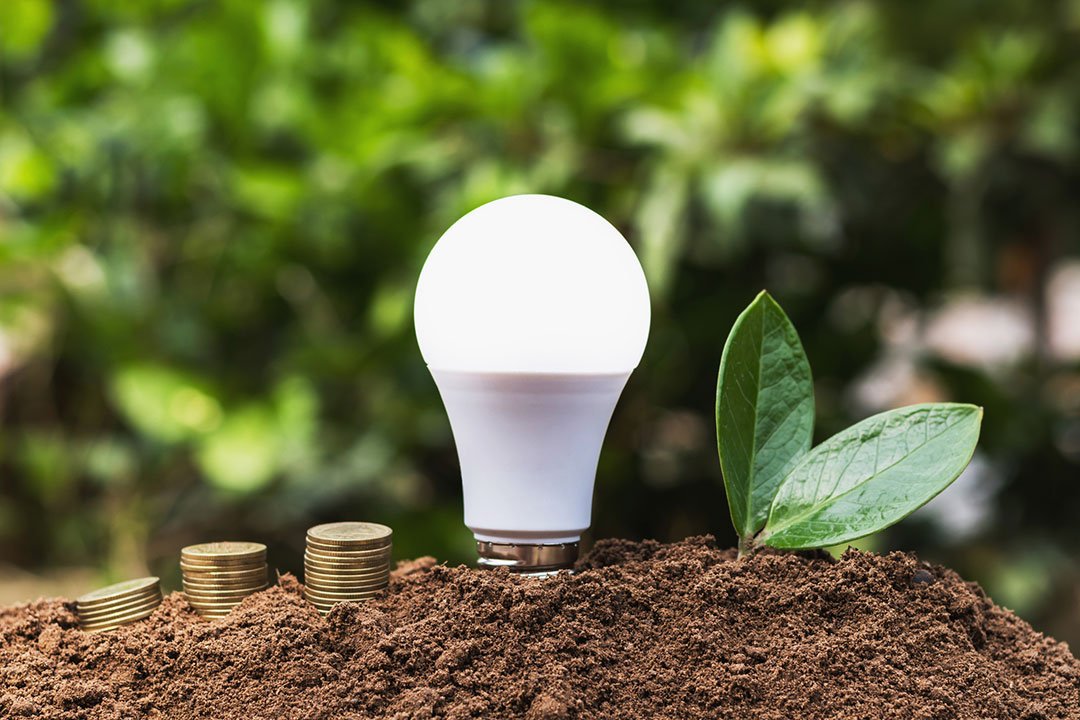
LED lighting has quietly transformed the way the world illuminates its homes, offices, streets, and factories. What was once considered a niche, expensive technology has become the global standard and for good reason. LED lighting efficiency is not just a buzzword; it is a measurable, proven reality backed by decades of engineering research and real-world data.
This guide breaks down everything a reader needs to know about LED lighting efficiency: the science behind it, the numbers that matter, the comparisons that put it all in context, and the practical steps anyone can take to make smarter lighting choices. Whether someone is a homeowner looking to cut electricity bills, a facilities manager overseeing a large commercial building, or simply a curious reader who wants to understand the technology behind modern lighting, this guide has something valuable to offer.
What Is LED Lighting Efficiency?
LED stands for Light Emitting Diode. Unlike traditional incandescent bulbs that rely on heating a filament until it glows, or fluorescent tubes that excite gas to produce ultraviolet light, LEDs produce light through a semiconductor process called electroluminescence. When an electric current passes through a semiconductor material, electrons release energy in the form of photons, producing light almost instantly, with very little heat wasted in the process.
This fundamental difference in how light is generated is the core reason why LED lighting efficiency surpasses every other mainstream lighting technology available today. The process is elegant in its simplicity: electricity in, light out, with minimal energy lost along the way.
Lumens Per Watt: The Key Efficiency Metric
The most important measure of LED lighting efficiency is lumens per watt (lm/W), also known as luminous efficacy. Lumens measure the total amount of visible light produced, and watts measure the electrical energy consumed. The higher the lm/W rating, the more light a product produces for every unit of electricity it uses.
Here is how the major lighting technologies compare on this critical metric:
| Lighting Technology | Typical Efficacy (lm/W) |
|---|---|
| Incandescent Bulb | 10–17 lm/W |
| Halogen Bulb | 16–24 lm/W |
| Compact Fluorescent (CFL) | 45–75 lm/W |
| LED (Standard Residential) | 80–120 lm/W |
| LED (High-Performance) | 150–200+ lm/W |
As the table clearly shows, even a standard residential LED outperforms incandescent bulbs by a factor of five to seven. High-performance LEDs continue to push those numbers higher with every new generation of technology.
How LED Technology Converts Electricity Into Light
Understanding LED lighting efficiency at a deeper level requires a look at the underlying technology. A standard LED chip consists of two semiconductor layers, an n-type layer (with excess electrons) and a p-type layer (with electron “holes”). When voltage is applied, electrons from the n-type layer cross into the p-type layer and fill those holes, releasing energy as photon particles of light.
The colour and wavelength of the light produced depend on the specific semiconductor material used:
- Gallium Nitride (GaN) produces blue and ultraviolet light.
- Indium Gallium Nitride (InGaN) enables a range of colours, including white light via phosphor conversion.
- Aluminium Gallium Indium Phosphide (AlGaInP) produces red, orange, and yellow light.
Most white LEDs used in general lighting combine a blue LED chip with a yellow phosphor coating. This combination produces the broad-spectrum white light that closely resembles natural daylight, making it ideal for homes, offices, and retail spaces where light quality matters.
Thermal Management and Efficiency
One of the few challenges in LED engineering is heat management at the chip level. While LEDs produce very little radiated heat compared to incandescent bulbs, the semiconductor junction itself generates heat that must be dissipated efficiently. Poor thermal management leads to lumen depreciation, a gradual reduction in light output over time and can significantly shorten a product’s operational life.
High-quality LED products address this challenge with aluminium heat sinks, thermal interface materials, and intelligent driver circuitry. When thermal management is done well, a quality LED luminaire will maintain its rated luminous efficacy for tens of thousands of hours, delivering consistent performance well beyond the lifespan of any competing technology.
Energy Savings: The Numbers That Matter
The energy savings delivered by LED lighting efficiency are substantial, well-documented, and consistent across applications. LEDs use approximately 75% less energy than incandescent bulbs and last up to 25 times longer under typical operating conditions.
To put this in practical terms, consider the following comparison for a single 60-watt equivalent bulb used for three hours per day:
| Metric | Incandescent | LED Equivalent |
|---|---|---|
| Wattage | 60W | 8–10W |
| Daily Energy Use | 0.18 kWh | 0.027 kWh |
| Annual Energy Cost* | ~$7.88 | ~$1.18 |
| Lifespan | ~1,000 hours | ~25,000 hours |
| Bulbs Needed Over 25,000 hr | 25 bulbs | 1 bulb |
Based on a U.S. average electricity rate of approximately $0.12/kWh.
The savings from a single bulb may seem modest in isolation, but the numbers scale quickly. For a household with 30 light fixtures, switching entirely to LEDs can generate annual savings of $150 to $200 or more, depending on usage patterns and local electricity rates. Over a decade, the cumulative savings easily justify the upfront investment, particularly given that the LEDs themselves will rarely need replacing during that period.
LED Lighting Efficiency vs. Traditional Technologies
LED vs. Incandescent Bulbs
The comparison between LED lighting efficiency and incandescent performance is one of the starkest in all of consumer technology. Incandescent bulbs waste roughly 90% of their energy as heat, producing only 10 to 17 lumens per watt of electricity consumed. They are, by modern standards, extraordinarily inefficient devices.
Many countries, including members of the European Union, the United Kingdom, Canada, and Australia have already phased out the sale of incandescent bulbs entirely, recognising that LED technology renders them obsolete. The United States has followed a similar trajectory, with regulations effectively eliminating most incandescent products from retail shelves. The transition is not merely a matter of consumer preference; it reflects a global policy consensus that incandescent lighting is an unnecessary energy burden.
LED vs. Compact Fluorescent Lamps (CFLs)
CFLs were once widely promoted as the energy-efficient alternative to incandescent bulbs, and they do offer meaningful improvements, delivering around 45 to 75 lm/W compared to an incandescent’s 10 to 17 lm/W. However, LEDs outperform CFLs on nearly every measure that matters to consumers and facility managers alike:
Higher efficacy: LEDs deliver 80 to 120+ lm/W versus 45 to 75 lm/W for CFLs, representing an additional 50 to 70% improvement in luminous efficacy.
Instant-on performance: CFLs require a warm-up period of 30 seconds to several minutes before reaching full brightness. LEDs illuminate to full output instantly, a critical advantage in applications such as motion-activated outdoor lights or frequently switched areas like bathrooms and stairwells.
No mercury content: CFLs contain small amounts of mercury vapour, a hazardous material that requires careful handling and specialised disposal. LEDs contain no mercury, simplifying both handling and end-of-life disposal.
Dimmability: Most modern LEDs are dimmable with compatible dimmer switches. CFLs are frequently incompatible with standard dimmers, producing flickering, buzzing, or premature failure when paired with the wrong control hardware.
Longer lifespan: Quality LEDs typically last 25,000 to 50,000 hours compared to 8,000 to 15,000 hours for CFLs, further reducing maintenance costs and the environmental burden of manufacturing and disposing of replacement bulbs.
LED vs. Halogen Bulbs
Halogen bulbs are an improved variant of incandescent technology, offering slightly better efficacy (16 to 24 lm/W) and a longer lifespan of approximately 2,000 hours. They produce crisp, high-CRI light that has made them popular for retail displays, track lighting, and accent applications. However, they still generate a significant amount of heat and consume far more energy than LEDs for equivalent light output. Modern high CRI LEDs (90+) now match or exceed the colour quality of halogen at a fraction of the energy cost, making halogen increasingly difficult to justify on any grounds.
Key Factors That Affect LED Lighting Efficiency
Not all LEDs are created equal. Several important factors influence how efficiently a given LED product performs in real-world conditions, and understanding them helps consumers and specifiers make better purchasing decisions.
LED Driver Quality
The LED driver is the electronic component that converts mains AC electricity into the DC that LEDs require. It is arguably the most critical component in any LED luminaire. A high-quality driver operates at a high power factor, ideally above 0.9, minimises harmonic distortion, and maintains stable current output even when mains voltage fluctuates. A poor-quality driver can cause flickering, colour shifting, premature chip failure, and significantly reduced luminous efficacy over time. When evaluating LED products, driver quality is often the single most reliable predictor of real-world longevity and performance.
Colour Rendering Index (CRI)
The Colour Rendering Index (CRI) measures how accurately a light source renders the colours of objects compared to natural daylight, on a scale of 0 to 100. A CRI of 100 represents perfect colour accuracy. Higher CRI LEDs, those rated 90 and above, typically sacrifice some luminous efficacy to achieve superior colour fidelity, since the broader spectral output required for accurate colour rendering reduces the proportion of energy converted into visible light. For applications where colour accuracy matters, retail displays, art galleries, medical facilities, food preparation areas, a CRI of 90 or above is the recommended minimum, even if it means accepting slightly lower lm/W ratings.
Colour Temperature
Correlated Colour Temperature (CCT), measured in Kelvin (K), describes the visual warmth or coolness of a light source on a spectrum from deep amber to cool blue-white:
- 2700K to 3000K (Warm White): Creates a cosy, relaxing ambience. Ideal for living rooms, bedrooms, restaurants, and hospitality spaces.
- 3500K to 4100K (Neutral White): Balanced and versatile. Well-suited to kitchens, offices, retail environments, and healthcare settings.
- 5000K to 6500K (Cool White / Daylight): Crisp and energising. Preferred for workshops, garages, task lighting, and spaces where maximum visual clarity is needed.
Choosing the right colour temperature is as important as choosing the right lumen output, as it directly affects the comfort, mood, and perceived quality of a lit space.
Operating Temperature
LEDs perform best within a specific temperature range. In very cold conditions, initial light output may be temporarily reduced. More critically, sustained high ambient temperatures accelerate lumen depreciation and shorten operational life. Luminaires designed for warm environments, recessed downlights in insulated ceilings, outdoor fixtures in hot climates, and industrial lighting in heated spaces must incorporate adequate thermal management to maintain rated efficiency and longevity.
Dimming Compatibility
When LEDs are operated with incompatible dimmers, the results can include flickering, audible buzzing, reduced dimming range, and accelerated driver degradation. Choosing LED-compatible dimmers and ensuring that LED drivers are rated for dimming is essential for smooth, flicker-free performance across the full brightness range. When done correctly, dimming also delivers additional energy savings, since LEDs operating at lower output consume proportionally less energy.
Applications of LED Lighting Efficiency
Residential Applications
In the home, LED lighting efficiency pays dividends across every room and every fixture type. Recessed downlights, ceiling panels, under-cabinet strip lights, outdoor floodlights, pathway lights, and decorative pendants are all now available in high-efficiency LED versions that match or outperform the products they replace. Smart LED ecosystems compatible with voice assistants, smartphone apps, and home automation platforms allow homeowners to schedule lighting, adjust colour temperature throughout the day, and dim automatically in response to natural light levels, pushing energy savings well beyond the baseline efficiency of the LEDs themselves.
Commercial and Retail Applications
Commercial buildings account for a disproportionately large share of global lighting energy consumption, making them one of the highest-impact targets for LED upgrades. Office spaces, retail stores, hotels, restaurants, and shopping centres that transition to LED lighting typically achieve energy reductions of 40% to 60% compared to fluorescent or halogen installations. Retail environments benefit particularly from high-CRI LEDs — accurate, flattering light makes products look more appealing, directly supporting sales performance. In offices, tunable LED systems that shift colour temperature during the day have been shown to support employee alertness, comfort, and productivity.
Industrial and Warehouse Lighting
High-bay LED fixtures have transformed industrial lighting in ways that are both dramatic and rapidly measurable on energy bills. Traditional metal halide high-bay fixtures consume 400 to 1,000 watts and require lengthy warm-up and restrike periods, meaning that switching them off and back on takes several minutes of interrupted production. Modern LED high-bays deliver equivalent or superior illumination at 150 to 300 watts, with instant-on performance, dramatically reduced maintenance requirements, and lifespans that can exceed 100,000 hours in well-managed environments.
Street and Outdoor Lighting
Municipalities around the world are replacing sodium vapour and metal halide streetlights with LED alternatives, reducing public lighting energy expenditure by 50% or more in cities that have completed large-scale conversion programmes. LED streetlights also offer significantly better colour rendering than their high-pressure sodium predecessors. The characteristic orange glow of sodium streetlights has a CRI below 25, whereas LED streetlights typically achieve a CRI of 70 or above. Better colour rendering improves the visibility of hazards, pedestrians, and road markings, contributing directly to public safety.
Horticultural and Agricultural Lighting
One of the most exciting frontiers for LED lighting efficiency is controlled environment agriculture. Full-spectrum LED grow lights can be tuned to emit specific wavelengths that maximise the rate of photosynthesis while minimising heat stress on plants. By targeting the precise red and blue wavelengths that chlorophyll absorbs most efficiently, LED grow lights eliminate the energy waste associated with broad-spectrum High-Pressure Sodium (HPS) grow lights, which emit large quantities of green and yellow light that plants cannot effectively use. Indoor farms and vertical agriculture operations increasingly treat LED technology as a foundational element of their energy strategy, not merely an upgrade, but a core design requirement.
The Environmental Impact of LED Lighting Efficiency
The environmental case for LED lighting efficiency extends well beyond the energy bill. Lighting accounts for approximately 15% of global electricity consumption and contributes roughly 5% of worldwide greenhouse gas emissions. A sustained, widespread transition to LED technology carries the potential to reduce lighting-related electricity demand by half or more, a contribution equivalent to taking hundreds of millions of tonnes of CO₂ out of the atmosphere annually.
Beyond direct energy consumption, LEDs support environmental sustainability in several additional ways:
Longer lifespan reduces manufacturing waste. Because LEDs last 15 to 25 times longer than incandescent bulbs, far fewer units need to be manufactured, packaged, transported, and disposed of over time. The embedded energy and materials cost of lighting often overlooked in energy efficiency discussions, is substantially reduced.
No mercury eliminates a key hazardous material. CFLs and fluorescent tubes contain mercury vapour that requires specialised handling and disposal. A broken CFL in a home requires careful cleanup procedures. LEDs contain no mercury, eliminating this concern and simplifying end-of-life handling.
Reduced heat output lowers cooling loads. In air-conditioned buildings, the heat produced by lighting must be removed by the HVAC system, creating a secondary energy demand that compounds the direct inefficiency of the lighting itself. Because LEDs produce far less radiated heat than incandescent or halogen sources, they reduce this secondary cooling load, a compounding benefit that is especially valuable in warm climates and in retail environments where vast areas of halogen accent lighting have historically placed significant demands on air-conditioning systems.
The Role of LEDs in Smart, Sustainable Buildings
Modern green building standards, including LEED (Leadership in Energy and Environmental Design) and BREEAM (Building Research Establishment Environmental Assessment Method), actively credit the use of energy-efficient LED lighting systems in their scoring frameworks. Integrating LED lighting with building automation systems (BAS), occupancy sensors, daylight harvesting controls, and time of day scheduling can push energy savings well beyond the baseline gains from LED technology alone, with well-designed systems achieving reductions of 60% to 80% compared to conventional lighting installations.
How to Choose the Right LED for Maximum Efficiency
Choosing the most energy-efficient LED product for a specific application requires attention to a handful of key specifications and evaluation criteria that go beyond simply picking the cheapest bulb on the shelf.
Check the Lumens, Not the Watts
The single most important mindset shift when purchasing LEDs is to stop thinking in watts and start thinking in lumens. For most of the 20th century, wattage was a reliable proxy for brightness; a 60W bulb was brighter than a 40W bulb. With LEDs, wattage indicates energy consumption, not light output. A 60W incandescent equivalent produces around 800 lumens; an LED that delivers 800 lumens while consuming only 8 to 10 watts is the true like-for-like replacement. Always match lumens to the application’s brightness requirements, and treat wattage as the efficiency indicator it actually is.
Look for ENERGY STAR or DLC Certification
In the United States, ENERGY STAR-certified LED products have been independently tested to meet minimum standards for efficacy, colour quality, consistency, and longevity. Products bearing the ENERGY STAR mark have been verified to deliver on their rated performance claims — a meaningful assurance in a market that has historically included many substandard imported products. For commercial and industrial applications, DesignLights Consortium (DLC) certification provides an additional tier of verification, often required to qualify for utility rebate programmes that can significantly offset the cost of large-scale LED upgrades.
Evaluate Total Cost of Ownership (TCO)
The purchase price of an LED bulb or luminaire is only a fraction of its true economic impact. A complete total cost of ownership analysis factors in the initial purchase price, installation cost, energy consumption over the product’s operating life, and the cost of replacement and maintenance. When evaluated on this basis, LED lighting efficiency almost always produces the lowest total cost, often by a wide margin over any horizon of three years or more. Presenting this analysis to decision-makers who baulk at the upfront cost of LED upgrades frequently changes the conversation.
Consider Controls and Dimming
Pairing LEDs with occupancy sensors, daylight sensors, and smart dimming controls unlocks an additional 20% to 40% in energy savings beyond the baseline LED efficiency gain. In spaces with variable occupancy offices, corridors, car parks, and hotel rooms, this additional layer of intelligent control is often the difference between a good LED installation and a genuinely outstanding one that consistently exceeds energy targets.
Common Myths About LED Lighting Efficiency Debunked
Myth 1: “LEDs don’t produce enough light.” Modern LEDs produce equivalent or superior brightness to any traditional technology at any lumen level. A well-specified LED luminaire can match or exceed the illuminance delivered by much higher wattage incandescent or fluorescent sources, often while achieving better uniformity across the lit surface.
Myth 2: “LED light is harsh and cold.” This perception reflects early-generation LED products from the late 2000s and early 2010s, which were dominated by cool, blue-white outputs. Contemporary LED lighting is available across the full colour temperature spectrum from warm 2700K tones that replicate the cosy glow of traditional incandescent bulbs to cool 6500K daylight equivalents. The idea that LEDs are inherently harsh is simply outdated.
Myth 3: “LEDs are too expensive.” LED prices have fallen by more than 90% over the past 15 years, making them cost-competitive with or cheaper than incandescent and CFL products on a purchase price basis in many markets. When the long-term energy and maintenance savings are factored in, LEDs are the most cost-effective lighting technology available in virtually every application category.
Myth 4: “All LEDs last 25,000 hours.” Lifespan varies significantly between products, and the rated lifespan on the box reflects performance under idealised laboratory conditions. Budget LEDs using low-quality chips and drivers, particularly those operating in warm environments without adequate thermal management, may fail well short of their rated lifespan. Choosing quality-certified products from reputable manufacturers and ensuring adequate thermal management in luminaire design is essential to realising the full efficiency and longevity benefits that LED technology is capable of delivering.
The Future of LED Lighting Efficiency
The LED industry continues to push the boundaries of luminous efficacy at a remarkable pace. Research laboratories have demonstrated LED chips achieving 300 lm/W or more under controlled conditions, and commercial products are steadily closing the gap between laboratory benchmarks and real-world performance. Several important trends are shaping the next generation of LED lighting efficiency:
Human-Centric Lighting (HCL) refers to tunable LED systems that shift colour temperature and light intensity throughout the day to align with natural circadian rhythms, supporting sleep quality, alertness, and overall wellbeing without sacrificing energy efficiency. As the connection between lighting quality and human health becomes better understood, HCL systems are moving from luxury installations into mainstream commercial and residential applications.
MicroLED technology takes the efficiency of LED semiconductors to a dramatically smaller scale, enabling ultra-high-resolution displays and architectural lighting applications that combine exceptional brightness, colour accuracy, and energy efficiency in formats previously impossible with conventional LED components.
Li-Fi (Light Fidelity) explores the use of LED lighting infrastructure to transmit data wirelessly by modulating light output at frequencies imperceptible to the human eye. In environments where radio frequency interference is a concern, such as hospitals, aircraft cabins, and secure facilities, Li-Fi turns the lighting network into a high-speed communication infrastructure.
AI-driven lighting controls take intelligent building management to its logical endpoint, using machine learning algorithms to analyse occupancy patterns, daylight availability, and energy pricing in real time, automatically optimising lighting output across entire buildings in ways that static schedules and manual controls cannot match.
Conclusion
LED lighting efficiency represents one of the most impactful and accessible energy improvements available to households, businesses, and governments today. The technology is mature, proven, continuously improving, and more affordable than at any point in its history. Whether the goal is cutting energy bills, reducing carbon emissions, improving the quality and accuracy of light in a retail or clinical environment, or simply replacing a burnt-out bulb with something dramatically better, LEDs deliver on every dimension.
Making the switch to high-efficiency LED lighting is not just a smart financial decision; it is one of the simplest, most tangible, and most immediately rewarding steps that anyone can take toward a more sustainable, energy-efficient future. The numbers are clear, the technology is ready, and the only remaining question is how quickly the transition can be completed.