
Why LED Lighting Is the Smart Choice for Lower Energy Costs?

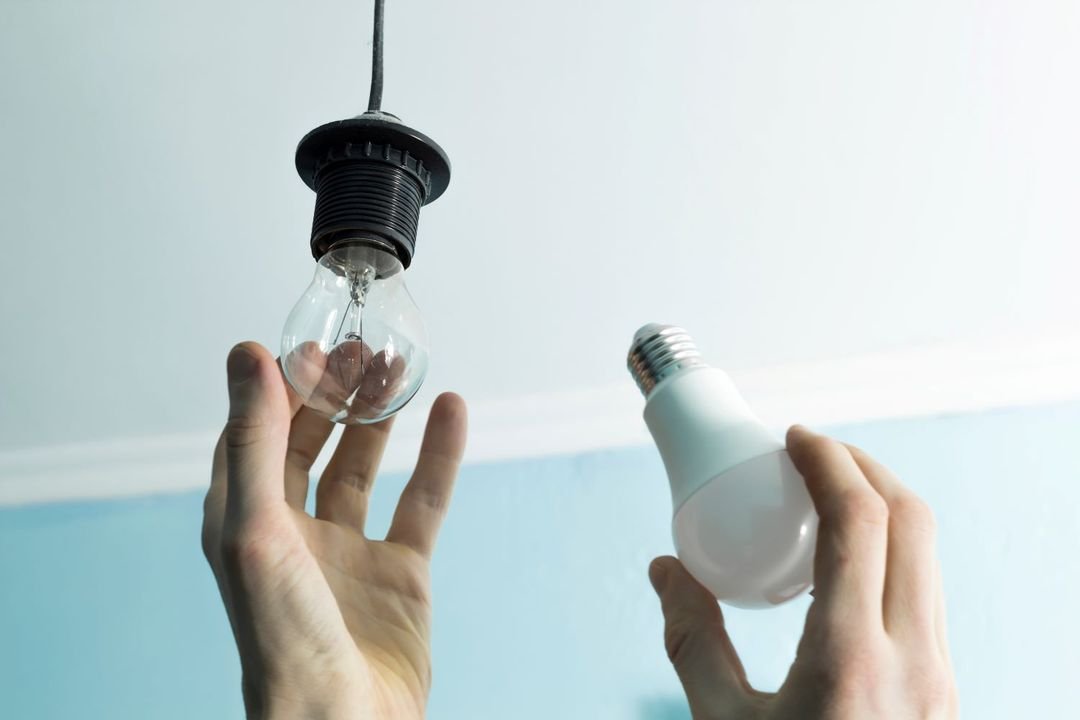
Rising electricity bills and growing environmental concerns have pushed millions of homeowners and business owners to rethink their energy habits, and lighting is one of the best places to start. The LED Lighting Savings Transformation is not just a buzzword floating around sustainability circles; it is a proven, measurable shift that is quietly changing the way the world uses energy.
In 2026, sustainable living has moved from being a lifestyle choice for a select few to a mainstream necessity for everyone. And at the heart of that movement is something surprisingly simple: changing a light bulb. Studies show that lighting accounts for nearly 15% of the average household’s electricity consumption. When those lights are traditional incandescent or halogen bulbs, a significant chunk of that energy is being wasted literally as heat.
This guide dives deep into the LED Lighting Savings Transformation, breaking down the technology, the real financial benefits, the environmental impact, and the practical steps anyone can take to get started. Whether someone is looking to cut their monthly electricity bill, shrink their carbon footprint, or simply make smarter decisions for the planet, this article covers everything they need to know.
What Is the LED Lighting Savings Transformation?
The term “LED Lighting Savings Transformation” refers to the large-scale shift from conventional lighting technologies, such as incandescent bulbs, halogen lamps, and older fluorescent tubes, to energy-efficient LED (Light Emitting Diode) technology. This is not just a swap of one bulb for another. It represents a fundamental change in how energy is consumed, how spaces are illuminated, and how long lighting products last.
LED lighting has been commercially available for decades, but it is only in recent years that prices have dropped significantly enough to make it the obvious choice for the average consumer. In 2026, LED bulbs are not only more affordable than ever but also more advanced, offering smart features, better colour rendering, and longer lifespans than anything the lighting industry has produced before.
At its core, the LED Lighting Savings Transformation is about replacing inefficiency with intelligence. It is about understanding that the same amount of light or even better light can be produced using a fraction of the electricity, with bulbs that last up to 25 times longer than their traditional counterparts.
How LED Technology Works
To appreciate why LEDs are so efficient, it helps to understand the basic science behind them. A Light Emitting Diode works by passing an electrical current through a semiconductor material. When electrons move through this semiconductor, they release energy in the form of light, a process called electroluminescence.
Unlike incandescent bulbs, which produce light by heating a filament until it glows (and wasting up to 90% of energy as heat), LEDs convert the vast majority of their electrical input directly into visible light. This is why they run cooler, last longer, and consume so much less power.
Modern LED technology has also advanced to the point where it can produce virtually any colour temperature from warm, cosy tones (around 2700K) to cool, clinical whites (5000K and above), making them suitable for every room, every mood, and every application.
LED vs. Traditional Bulbs: A Side-by-Side Comparison
Understanding the difference in raw numbers helps make the case for LEDs impossible to argue against.
| Feature | Incandescent Bulb | CFL Bulb | LED Bulb |
|---|---|---|---|
| Wattage (for 800 lumens) | 60W | 13–15W | 8–10W |
| Lifespan | ~1,000 hours | ~8,000 hours | ~25,000 hours |
| Energy Efficiency | ~10% | ~70% | ~90% |
| Heat Produced | Very high | Moderate | Very low |
| Mercury content | None | Yes | None |
| Dimmable | Yes | Rarely | Yes (most models) |
| Cost per year (avg. use) | ~$7.00 | ~$1.50 | ~$1.00 |
The numbers tell a clear story. For every incandescent bulb replaced by an LED, a household immediately begins saving money and energy with every hour of use.
The Real Financial Impact of Switching to LED Lighting
The financial case for the LED Lighting Savings Transformation is one of the most compelling arguments for any home or business improvement project. Unlike many upgrades that take years to pay off, LED lighting begins delivering returns almost immediately.
How Much Can Households Actually Save?
The U.S. Department of Energy estimates that switching to LED lighting across an entire home can save the average household between $225 and $300 per year on electricity costs. In countries with higher energy rates, such as the United Kingdom or Germany, those figures climb even higher.
Consider a typical home with 30 light bulbs:
- If all 30 are 60watt incandescent bulbs used for an average of 3 hours per day, the household consumes approximately 1,971 kWh of electricity per year just for lighting.
- Replacing all 30 with 9-watt LED equivalents reduces that consumption to approximately 296 kWh per year.
- At an average electricity rate of $0.16 per kWh, that represents a saving of over $267 per year, every single year.
The savings compound over time. LEDs last approximately 25 times longer than incandescent bulbs, meaning the cost of replacement bulbs also drops dramatically.
LED Lighting ROI: Calculating Your Payback Period
One of the most common hesitations people express when considering the LED Lighting Savings Transformation is the upfront cost. Quality LED bulbs do cost more than incandescent bulbs at the point of purchase. However, the payback period, the time it takes for savings to offset the initial investment, is remarkably short.
Example calculation for a single bulb:
- LED bulb cost: $5.00
- Incandescent bulb cost: $1.00
- Additional upfront cost: $4.00
- Annual saving per bulb: ~$8.90
- Payback period: approximately 5,6 months
For a whole-home or whole office retrofit, the payback period is typically between 1 and 3 years, after which every dollar saved goes straight back into the owner’s pocket. For commercial buildings with hundreds of lighting fixtures running for extended hours, the ROI can be even faster.
Long-Term Savings: Why Upfront Cost Shouldn’t Scare You
The initial price of LED bulbs has dropped by more than 85% over the past decade, and in 2025, a quality LED bulb can be found for as little as $2–$4. When viewed through the lens of total cost of ownership, purchase price, electricity costs, and replacement frequency, the Environmental Benefits of LED Lighting
The LED Lighting Savings Transformation is not just good for wallets — it is one of the most accessible and impactful steps individuals and organisations can take toward a healthier planet.LEDs are not just the greener choice; they are overwhelmingly the cheaper choice.
A single LED bulb that lasts 25,000 hours will outlive roughly 25 incandescent bulbs. Over that same period, the incandescent bulbs will consume approximately 1,500 watt-hours, while the LED bulbs will use just 225 watt-hours to produce the same amount of light. The financial math is simply undeniable.
Environmental Benefits of LED Lighting
The LED Lighting Savings Transformation is not just good for wallets; it is one of the most accessible and impactful steps individuals and organisations can take toward a healthier planet.
Reducing Carbon Emissions Through Smart Lighting
Electricity generation remains one of the leading contributors to global greenhouse gas emissions. In many countries, a significant proportion of electricity still comes from fossil fuel sources. By consuming less electricity, LED users directly reduce the demand placed on power grids and, in turn, reduce the volume of carbon dioxide and other greenhouse gases released into the atmosphere.
The International Energy Agency (IEA) has reported that a global shift to LED lighting could reduce carbon dioxide emissions by hundreds of millions of tonnes per year. To put that into perspective, that is equivalent to taking tens of millions of cars off the road permanently.
On an individual level, switching one home from incandescent to LED lighting reduces annual CO₂ emissions by approximately 450 kg, roughly the same as planting 20 trees. When multiplied across millions of households, those numbers become transformational.
Additionally, LEDs contain no mercury, a toxic heavy metal found in compact fluorescent lamps (CFLs) that poses disposal challenges and environmental risks. This makes LEDs safer to use, handle, and recycle.
LED Lighting and Sustainable Living in 2026
In the broader context of sustainable living in 2026, LED lighting sits at an interesting intersection: it is one of the few genuinely green upgrades that also makes immediate, measurable financial sense. Unlike some sustainable choices that require significant lifestyle changes or large capital investment, switching to LED lighting is something anyone can start doing today, one bulb at a time.
For eco-conscious consumers building a sustainable lifestyle, LED lighting also pairs beautifully with other green technologies. Smart LED systems can be programmed to work in tandem with solar panels, turning on only when solar production is at its peak. Motion-sensor LED fixtures ensure lights are never left on unnecessarily. The technology, in short, is evolving alongside the broader sustainable living movement and in 2026, it is more capable and more accessible than ever before.
How to Start Your Own LED Lighting Savings Transformation
Starting the LED Lighting Savings Transformation does not require a complete home renovation or a large budget. In fact, the process can begin with a single bulb and grow from there at whatever pace suits the individual.
Choosing the Right LED Bulbs for Every Room
Not all LED bulbs are created equal, and choosing the right one for each space makes a significant difference in both performance and satisfaction. Here is a simple room-by-room guide:
Living Room: Warm white LEDs (2700K–3000K) create a welcoming, relaxed atmosphere. Dimmable LEDs work particularly well in living spaces where the mood shifts throughout the day.
Kitchen: Cool white or natural white LEDs (3500K–4000K) offer the clarity needed for food preparation. Under-cabinet LED strips are excellent for task lighting.
Bedroom: Warm LEDs (2700K) promote relaxation and are easier on the eyes in the hours before sleep. Smart bulbs that can shift to warmer tones in the evening support healthy sleep cycles.
Home Office: Daylight LEDs (5000K) mimic natural daylight and help maintain focus and energy levels during work hours. Studies suggest cooler light improves alertness and productivity.
Bathroom: Bright, neutral LEDs (4000K) provide accurate colour rendering — important for grooming and makeup application. Look for bulbs rated for damp locations.
Outdoor Spaces: Weather-resistant LED floodlights and pathway lights are designed to withstand the elements while delivering reliable brightness and energy efficiency.
When shopping for LED bulbs, it helps to look beyond wattage (which measures energy input) and focus on lumens (which measure light output). A 10-watt LED producing 800 lumens is the equivalent of a 60-watt incandescent bulb.
Smart LED Systems: Taking Savings to the Next Level
For those who want to push the LED Lighting Savings Transformation even further, smart LED systems offer an exceptional opportunity to maximise efficiency and convenience simultaneously.
Smart LED bulbs connect to home Wi-Fi networks and can be controlled via smartphone apps, voice assistants, or automated schedules. The savings potential of smart LEDs goes beyond simple energy efficiency:
- Scheduling: Lights can be programmed to turn off automatically at bedtime or when everyone leaves the house, eliminating the cost of lights left on by mistake.
- Dimming: Research shows that dimming lights to 50% can reduce energy consumption by approximately 40%. Smart dimming systems adjust brightness automatically based on time of day or ambient light levels.
- Geofencing: Some smart systems detect when residents leave the property and automatically switch off all lights, a feature that can save hundreds of dollars per year in homes where lights are frequently forgotten.
- Integration with renewable energy: Smart LED systems can be linked to home energy management platforms, prioritising lighting during periods of peak solar generation.
Leading smart LED brands in 2026 include Philips Hue, LIFX, Govee, and Sengled, all of which offer starter kits that make the transition straightforward and affordable.
Common Mistakes to Avoid When Switching to LED
The LED Lighting Savings Transformation is simple, but a few common missteps can reduce its effectiveness or create frustration early in the process.
Choosing the wrong colour temperature: Picking a cool daylight bulb for a cosy living room or bedroom often leads to disappointment. Always check the Kelvin rating before buying.
Assuming all LED dimmers are compatible: Not all LED bulbs are compatible with every dimmer switch. Always check packaging for dimmer compatibility and, if needed, upgrade older dimmer switches to LED-compatible models.
Ignoring lumens: Selecting an LED based on wattage alone is a hangover habit from the incandescent era. Lumens determine actual brightness — always buy based on lumens.
Buying the cheapest option without checking quality: Very cheap LEDs may not deliver accurate colour, may flicker, or may fail well before their rated lifespan. Look for bulbs from reputable brands with clear lumen and lifespan ratings, and check for ENERGY STAR certification where applicable.
Replacing all bulbs at once without budgeting: While replacing every bulb at once maximises savings fastest, it can be expensive upfront. A practical approach is to replace bulbs as old ones burn out, prioritising the fixtures used most frequently.
LED Lighting Incentives, Rebates, and Tax Credits in 2025
Governments and utility companies around the world have recognised the value of the LED Lighting Savings Transformation and many offer financial incentives to encourage the switch.
Government Programmes Supporting Energy-Efficient Upgrades
In the United States, the Inflation Reduction Act has expanded energy efficiency tax credits, making it easier for homeowners to claim credits on qualifying energy-efficient home improvements, including lighting upgrades in some cases. Several individual states also run their own rebate programmes offering discounts on LED products purchased through participating retailers.
In the United Kingdom, the government’s Energy Company Obligation (ECO) scheme has historically funded energy-efficient upgrades for qualifying households. In the European Union, various national programmes provide subsidies for businesses and homeowners making verified energy efficiency improvements.
In Australia, the Energy Rating programme and various state-based schemes offer rebates and incentive payments for switching to energy-efficient lighting.
The availability and value of these programmes change regularly, so checking with local utility providers and government energy departments is always recommended before making a purchase.
How to Claim LED Lighting Rebates
The process for claiming rebates varies by location, but generally follows a similar pattern:
- Check eligibility. Visit the utility company or government energy website to confirm that LED lighting upgrades qualify under current rebate programmes.
- Purchase qualifying products. Look for ENERGY STAR-certified LEDs or products that appear on the rebate programme’s approved product list.
- Keep receipts. All rebate claims require proof of purchase. Photographs of old bulbs being removed can also strengthen a claim in some programmes.
- Submit the claim. Many programmes now accept online submissions. Some rebates are applied at the point of sale through participating retailers.
- Receive the payment. Rebate processing times vary, but most programmes deliver payment within 6 to 8 weeks of a verified claim.
For businesses undertaking large-scale LED retrofits, it is worth consulting an energy efficiency specialist who can identify all available incentives and manage the claims process on the organisation’s behalf.
Real-World Success Stories: LED Savings in Action
Nothing illustrates the power of the LED Lighting Savings Transformation more effectively than real-world examples. The following case studies, based on common scenarios observed across households and businesses, demonstrate what is genuinely possible when the switch is made.
Home Case Study: A Family’s Monthly Bill Before and After
The Situation: A family of four living in a three-bedroom home had 28 incandescent bulbs throughout the property, and used an average of 4 hours per day. Their monthly electricity bill averaged $180, with lighting accounting for approximately $42 of that figure.
The Switch: Over the course of three months, the family replaced all 28 incandescent bulbs with equivalent LED alternatives, spending approximately $85 total on new bulbs. They also installed two smart LED strips in the kitchen and living room.
The Result:
- Monthly lighting cost dropped from $42 to approximately $6.30, a saving of $35.70 per month.
- Annual savings: approximately $428.
- Payback period for the $85 investment: under 3 months.
- Over the projected 25,000-hour lifespan of the LED bulbs, the family’s total saving exceeds $2,600 without counting the avoided cost of replacing 25 incandescent bulbs per socket.
Business Case Study: Office Building LED Retrofit Results
The Situation: A mid-sized accounting firm occupying a single-floor office space had 120 fluorescent tube fixtures, running an average of 10 hours per day, 5 days per week. Annual lighting electricity costs totalled approximately $14,400.
The Switch: The firm invested in an LED tube retrofit, replacing all 120 fixtures with high-efficiency LED equivalents. Total investment: $8,400 (before rebates). After claiming available utility rebates, the net cost was approximately $5,500.
The Result:
- Annual lighting electricity cost dropped to approximately $4,800, a saving of $9,600 per year.
- Payback period: approximately 7 months (net of rebates).
- Five-year savings: $48,000 against a $5,500 investment.
- Additionally, reduced heat output from LED fixtures lowered air-conditioning load, delivering secondary savings on cooling costs.
The firm also reported improved employee satisfaction and focus, citing better, more consistent light quality compared to the ageing fluorescent system.
Final Thoughts: Is the LED Lighting Savings Transformation Worth It?
After examining the technology, the financial data, the environmental impact, and the real-world results, the answer is clear: the LED Lighting Savings Transformation is one of the most worthwhile, accessible, and impactful upgrades available to homeowners and businesses in 2026.
There are very few home improvements that pay for themselves in months rather than years. There are even fewer that simultaneously benefit the planet, improve the quality of daily life, and require no structural changes or professional installation for the basic version. LED lighting does all of that, and it scales gracefully, from a single bulb in a bedside lamp to a smart, interconnected system managing an entire commercial building.
For those who have been on the fence, 2026 is the ideal time to act. LED prices have never been lower. Rebate programmes have never been more accessible. Smart LED technology has never been more capable. And the urgency of reducing energy consumption has never been more pressing.
The LED Lighting Savings Transformation is not just a lighting upgrade. It is a commitment to smarter, more sustainable living, and it starts with something as simple as a single bulb.