
What Is Smart LED Lighting and How Does It Work?

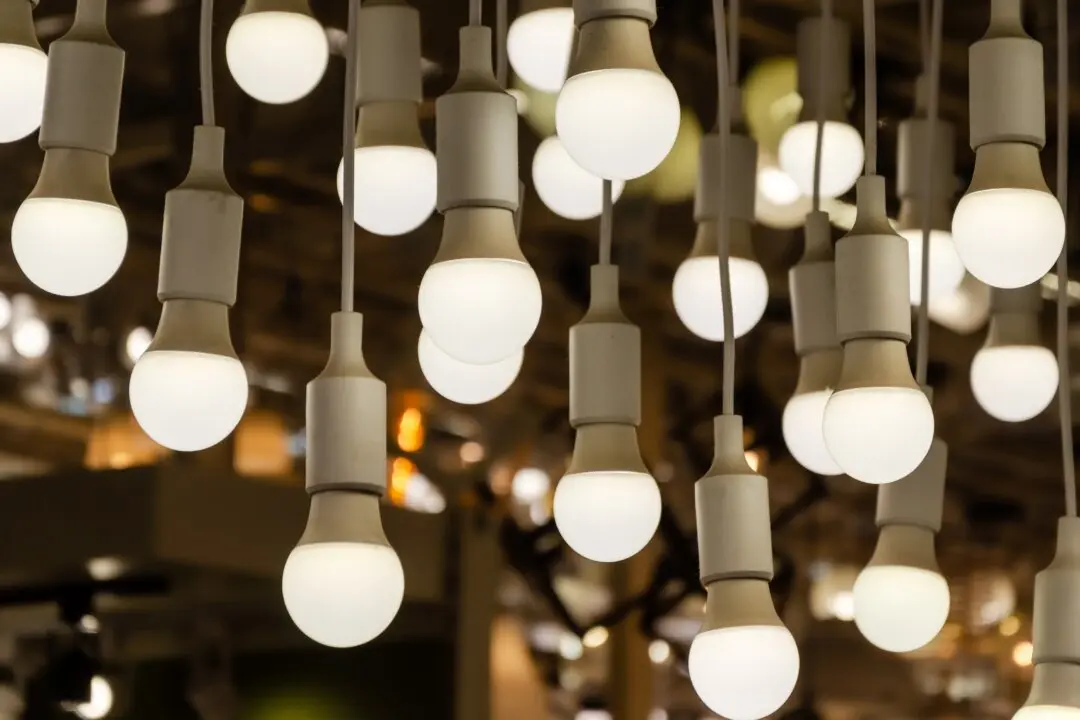
The world is undergoing one of the most significant technological transformations in the history of everyday living, and it is happening right above people’s heads. The LED Smart Lighting Revolution is reshaping how homes, offices, hospitals, schools, and entire cities experience light. What was once a simple binary switch on or off has evolved into a sophisticated, connected, and deeply intelligent ecosystem.
Today, a person can wake up to a gradual sunrise simulation, have their lights automatically adjust to the correct color temperature for focused work, and then shift to a warm, relaxing glow in the evening, all without touching a single switch. Smart LED systems communicate with smartphones, respond to voice commands, adapt to occupancy, and integrate seamlessly with the broader Internet of Things (IoT) infrastructure that defines modern digital life.
This comprehensive guide explores everything anyone needs to know about the LED Smart Lighting Revolution, from the foundational technology and key benefits to real-world applications, leading brands, emerging challenges, and the exciting future that lies ahead. Whether someone is a curious homeowner, a business decision-maker, or a sustainability advocate, this article delivers the insights needed to understand and participate in this remarkable global shift.
What Is the LED Smart Lighting Revolution?
The LED Smart Lighting Revolution refers to the large-scale transition from conventional, passive lighting systems to intelligent, connected, energy-efficient LED-based illumination networks. This transformation is being driven by three converging forces: the rapid advancement of LED semiconductor technology, the proliferation of IoT connectivity, and the growing global commitment to energy sustainability.
Understanding LED Technology
At its most fundamental level, a Light Emitting Diode (LED) is a semiconductor device that emits light when an electric current passes through it. Unlike incandescent bulbs, which produce light by heating a tungsten filament until it glows, LEDs generate light through electroluminescence, a far more efficient process that produces very little heat and very little waste energy.
The efficiency gains are staggering. Standard LED bulbs use approximately 75% less energy than traditional incandescent bulbs and last up to 25 times longer. A typical incandescent bulb may last 1,000 hours. A quality LED can deliver 15,000 to 50,000 hours of reliable service. For households and businesses, this translates into dramatically reduced electricity bills and significantly less frequent replacement costs.
LEDs also offer performance advantages that go far beyond simple efficiency. They reach full brightness instantly, with no warm-up period. They are highly durable, with no fragile filament to break. They operate effectively in a wide range of temperatures. And they are available in an extraordinary range of colors, color temperatures, and form factors from miniature indicator LEDs to powerful high-bay industrial fixtures capable of illuminating enormous warehouse spaces.
What Makes Lighting “Smart”?
Smart lighting builds upon the energy efficiency of LED technology by adding a critical layer of intelligence, connectivity, sensors, automation, and control. A smart LED system goes far beyond simply illuminating a space. It can communicate wirelessly with smartphones, tablets, and voice assistants. It adjusts brightness and color temperature automatically based on time of day or user preference. It detects occupancy and switches off automatically in empty rooms. It integrates with home automation ecosystems like Amazon Alexa, Google Home, and Apple HomeKit. It monitors and reports energy consumption data in real time. And it can be programmed with complex schedules, scenes, and automation routines that respond to dozens of different triggers and conditions.
This combination of LED efficiency and intelligent connectivity is what defines the LED Smart Lighting Revolution, and it is this combination that is fundamentally changing how people and organizations relate to light.
The Scale of the Revolution
The global smart lighting market was valued at over $13 billion in 2023 and is projected to grow at a compound annual growth rate (CAGR) of over 20% through 2030. Hundreds of millions of smart LED bulbs and fixtures are sold annually worldwide, with adoption accelerating across residential, commercial, industrial, and municipal sectors.
This is not a niche trend or a product category for technology enthusiasts. The LED Smart Lighting Revolution is a mainstream technological shift on par with the smartphone revolution or the transition to renewable energy — and it is happening right now, in real time, in homes and cities across every continent.
The Technology Powering Smart LED Lighting
Understanding the LED Smart Lighting Revolution requires a working knowledge of the technologies that make it possible. Several key innovations work together to create the intelligent lighting ecosystems that people experience today.
Wireless Communication Protocols
For smart lighting to function, individual lights must communicate with each other, with control hubs, and with the devices users interact with. Several wireless protocols serve this purpose, each with distinct advantages and use cases.
Wi-Fi is the most universally familiar wireless protocol and is widely used in consumer smart lighting products. Wi-Fi-enabled smart bulbs can communicate directly with a home router, making them accessible from anywhere in the world via a smartphone app. The main limitation of Wi-Fi for lighting is its relatively high power consumption, which matters more in battery-powered devices than in mains-powered fixtures.
Zigbee is a low-power, low-data-rate wireless mesh networking protocol specifically designed for IoT applications. In a Zigbee network, each device can communicate with multiple other devices, creating a self-healing mesh that extends range and improves reliability across large installations. Zigbee is widely used in commercial and premium residential smart lighting installations. It requires a central hub or gateway but supports very large networks of devices with minimal power consumption.
Z-Wave operates at a lower radio frequency (sub-GHz), which gives it better range and wall penetration than Wi-Fi or Zigbee. It uses a mesh architecture similar to Zigbee and is particularly popular in North American home automation systems.
Bluetooth and Bluetooth Mesh are ideal for short-range, direct-control smart lighting applications. Many consumer smart bulbs and strips use Bluetooth for simple, hub-free setup and control. Bluetooth Mesh extends this capability by allowing devices to relay signals to each other, enabling control of large lighting networks without a central hub.
Thread and Matter represent the newest generation of smart home connectivity. Thread is a low-power, IP-based mesh networking protocol offering improved reliability and security. It underpins the Matter interoperability standard, a universal protocol supported by Apple, Google, Amazon, and Samsung that promises to resolve long-standing compatibility issues across smart home ecosystems. As Matter adoption accelerates through 2025 and 2026, the frustrating fragmentation of the smart home market is expected to diminish significantly.
Sensors and Sensing Technologies
Sensors are the sensory organs of smart LED systems. They allow lighting to respond intelligently to the environment without requiring constant manual input from the user.
Occupancy and Motion Sensors are among the most impactful tools in the smart lighting arsenal. Passive Infrared (PIR) sensors detect body heat to determine whether a space is occupied. When no occupancy is detected for a defined period, lights automatically dim or switch off, eliminating the substantial energy waste of lights left burning in empty rooms. Ultrasonic sensors use sound waves to detect motion more comprehensively, including subtle movements like typing or breathing, making them ideal for restrooms or server rooms where PIR sensors might miss seated individuals.
Daylight Sensors (Photosensors) measure the amount of natural light entering a space and adjust artificial light output accordingly, a technique known as daylight harvesting. When abundant sunlight streams through windows, the smart system dims electrical lights proportionally, maintaining consistent, comfortable illumination levels while minimizing energy consumption. Research shows that daylight harvesting can reduce lighting energy use by 20 to 60% in well-daylit spaces, a substantial saving in commercial buildings with significant glazing.
Color and Spectral Sensors are used in advanced smart lighting systems to measure the color quality of ambient light and adjust LED output to maintain consistent, accurate color rendering. This capability is particularly important in retail environments, art galleries, photography studios, and medical facilities, where accurate color perception is critical to the function of the space.
Control Platforms and Smart Home Integration
The brain of any smart lighting system is its control platform, the software and hardware infrastructure that processes sensor data, executes automation routines, and provides user interfaces for both manual and automated control.
Amazon Alexa is one of the most widely adopted voice assistant platforms for smart lighting control. Users can control individual lights, groups of lights, and entire lighting scenes using simple, conversational voice commands. “Alexa, turn the bedroom lights to 50 percent” or “Alexa, set the kitchen to warm white” are representative examples of how seamlessly voice control integrates into daily routines when smart LED technology is in place.
Google Home and Google Assistant offer a competing smart home ecosystem integrating with a wide range of smart lighting brands. Google Assistant’s deep integration with Android smartphones makes it particularly convenient for users already embedded in the Google ecosystem, and its natural language processing capabilities have become increasingly sophisticated over recent generations.
Apple HomeKit is preferred by users within the Apple product ecosystem. It offers industry-leading security through local processing and end-to-end encryption, and it is the only major smart home platform that does not require cloud connectivity for basic functions, making it notably more private and reliably responsive than cloud-dependent alternatives.
Samsung SmartThings is Samsung’s comprehensive smart home platform that bridges a wide range of protocols, including Zigbee, Z-Wave, Wi-Fi, and Bluetooth. It is particularly popular for complex, multi-device home automation setups that require deep integration between lighting, security, climate, and entertainment systems.
The Key Benefits of the LED Smart Lighting Revolution
The LED Smart Lighting Revolution is driven by a compelling and multidimensional array of benefits spanning financial savings, environmental responsibility, health and wellbeing, security, and operational efficiency.
Energy Efficiency and Cost Savings
Energy efficiency is the most immediate and quantifiable benefit of smart LED lighting, and the numbers tell a genuinely powerful story.
LED bulbs use 75 to 80% less energy than incandescent bulbs. Smart controls, including occupancy sensing and daylight harvesting, add a further 30 to 50% reduction on top of that baseline efficiency. The combined effect means smart LED systems can reduce a building’s total lighting energy consumption by 60 to 80% compared to conventional incandescent or fluorescent lighting. For an average household, switching to smart LEDs can reduce annual lighting electricity costs by $200 to $400. For commercial buildings, smart lighting retrofits often deliver payback periods of two to five years, with decades of ongoing savings following that initial investment.
Beyond direct energy savings, smart LED systems provide granular energy monitoring data that helps facilities managers and homeowners identify patterns of waste and optimize consumption further. Many systems integrate with utility pricing data to shift non-critical lighting loads to off-peak hours, reducing electricity costs even further through intelligent load management.
Environmental Sustainability
The environmental implications of the LED Smart Lighting Revolution extend far beyond the individual home or business. Lighting accounts for approximately 15% of global electricity consumption and roughly 5% of worldwide greenhouse gas emissions. The widespread adoption of smart LED technology represents one of the most accessible and immediately impactful pathways to meaningful emissions reduction at a global scale.
LEDs contain no mercury, unlike compact fluorescent lamps (CFLs), which require careful disposal procedures due to their mercury content. The dramatically extended lifespan of quality LEDs also reduces the volume of lighting waste entering landfills. A single LED bulb lasting 25,000 hours replaces approximately 25 standard incandescent bulbs over its operational lifetime. 25 fewer bulbs are manufactured, shipped, and disposed of for every one LED installed.
Smart city street lighting initiatives around the world are demonstrating the environmental impact of this technology at the urban scale. Cities that have retrofitted conventional street lights with smart LED systems report energy reductions of 50 to 70% for street lighting alone, translating into thousands of tons of carbon dioxide emissions avoided annually per city.
Human-Centric Lighting and Wellbeing
One of the most scientifically fascinating dimensions of the LED Smart Lighting Revolution is its relationship to human biology. Modern smart LED systems can dynamically adjust both light intensity and color temperature throughout the day to support the human circadian rhythm, the body’s internal biological clock that regulates sleep, alertness, mood, and hormonal function.
This approach, known as Human-Centric Lighting (HCL), is grounded in a growing body of scientific evidence linking light exposure to human health and performance outcomes. The underlying biology is now well understood: the human eye contains specialized photoreceptors called intrinsically photosensitive retinal ganglion cells (ipRGCs) that are particularly sensitive to blue-wavelength light. These cells communicate with the suprachiasmatic nucleus, the brain’s master circadian clock, to synchronize bodily rhythms with the external light environment.
Cool, bright blue-enriched light in the 5000 to 6500 Kelvin range in the morning promotes alertness and suppresses melatonin production, helping people wake up and sustain focus. Neutral white light at 3500 to 4500 Kelvin supports concentration and productivity during core working hours. Warm amber light in the 2700 to 3000 Kelvin range in the evening signals to the brain that nighttime is approaching, facilitating melatonin production and supporting healthy, restful sleep.
Research conducted in office environments has shown that employees working under tunable HCL systems report improved alertness, reduced eye strain, better sleep quality, and measurable gains in both cognitive performance and productivity. Studies in hospitals and long-term care facilities have found that circadian lighting systems can reduce patient agitation, improve staff alertness during night shifts, and measurably accelerate patient recovery outcomes.
Enhanced Security and Safety
Smart LED lighting integrates naturally with security and safety systems, adding a meaningful and practical layer of protection to homes, businesses, and public spaces.
Motion-activated outdoor LED lights are one of the most effective and affordable security upgrades available to homeowners. Studies consistently indicate that well-lit properties experience significantly lower rates of break-ins and opportunistic vandalism. Modern smart systems extend this capability, detecting motion and simultaneously triggering push notifications to smartphones, activating connected security cameras to begin recording, and illuminating the area to maximum brightness.
When residents travel or are away from home for extended periods, smart lighting systems can be programmed to simulate normal occupancy patterns, with lights turning on and off in different rooms at realistic, varied times that mimic genuine human presence. This deterrence technique is far more convincing to potential intruders than a simple timer-based system and is easily configured through any modern smart lighting app.
In commercial buildings and public spaces, smart LED emergency lighting systems provide automated responses to power failures and crises. Connected emergency lighting can guide evacuees along safe exit routes by activating sequential pathway illumination, while simultaneously providing real-time facility status information to emergency services responding to an incident.
Convenience and Lifestyle Enhancement
Beyond the utilitarian benefits of energy savings and security, smart LED lighting enhances everyday life in ways that are deeply personal and genuinely satisfying. The ability to create precisely calibrated lighting scenes for different activities, a bright, energizing setting for morning exercise, a warm and intimate atmosphere for a dinner party, a cool and focused environment for late-night reading or creative work, fundamentally transforms how people inhabit and enjoy their living spaces.
Thoughtfully designed automation removes friction from daily routines in ways that accumulate into a significantly improved quality of life. Lights that gradually brighten with a sunrise simulation eliminate the disorienting shock of a jarring alarm clock. Lights that automatically dim as a movie begins on the connected television create an immersive, cinema-like entertainment experience without anyone leaving the couch. Lights that switch off automatically as the last family member leaves for school or work each morning save energy reliably, without requiring a second thought from anyone.
Real-World Applications of Smart LED Lighting
The LED Smart Lighting Revolution is manifesting across an extraordinary range of real-world environments, each with its own specific requirements, challenges, and opportunities for transformation.
Smart Home Lighting
The smart home is the most visible arena of the LED lighting revolution for most people. Residential smart lighting has evolved rapidly from a novelty for early technology adopters into a mainstream upgrade available at accessible price points from dozens of competing brands.
Living Rooms and Entertainment Spaces benefit from dynamic, immersive lighting environments that respond to the activities taking place. LED strips installed behind televisions reduce eye strain by providing bias lighting that bridges the contrast between the bright screen and the surrounding dark room. Color-changing smart bulbs can synchronize with music, movies, and games, shifting hues and intensities in real time to enhance immersion and entertainment quality in ways that genuinely surprise first-time users.
Bedrooms and Sleep Environments benefit enormously from smart lighting with circadian rhythm support. Gradually dimming, warming lights in the evening signal the body to prepare for rest. Sunrise alarm simulations where lights gradually brighten from deep amber through warm orange to neutral white over 20 to 30 minutes before the desired wake-up time provide a gentler and more natural awakening than an audio alarm alone, leaving people feeling considerably more refreshed and alert at the start of their day.
Kitchens and Work Areas require flexible, task-appropriate lighting throughout different parts of the day. Smart LED systems handle these transitions effortlessly through pre-set scenes accessible via voice command or a single app interaction. Under-cabinet LED strips provide targeted task lighting for food preparation countertops without generating the significant heat of conventional halogen strip lights, a practical safety and comfort improvement, as well as an aesthetic one.
Children’s Rooms and Nurseries offer particular opportunities for smart lighting to add real value. Color-changing night lights that slowly dim from a reassuring warm glow to complete darkness help toddlers and young children fall asleep without fear of the dark. Bright, energizing lighting settings support homework concentration and active play during the day. Parents can manage children’s bedroom lighting remotely, dimming lights and activating nighttime scenes from a smartphone without physically entering the room and risking disturbing a sleeping child.
Commercial and Office Environments
Commercial adoption of smart LED lighting is being driven by compelling financial calculations alongside broader corporate sustainability commitments. Lighting represents one of the largest controllable energy costs in commercial buildings, and smart systems offer powerful, proven tools to manage that cost while simultaneously improving the quality of the work environment.
Open-Plan Offices benefit from task-specific lighting zones that give individual workers or teams meaningful control over their immediate environment without disrupting colleagues. Occupancy sensors ensure lights are active only in areas where people are actually working. Daylight harvesting systems continuously balance electric lighting with the natural light available from windows and skylights. The combined effect creates a more productive, comfortable working environment while significantly reducing the building’s overall energy consumption.
Retail and Hospitality Environments depend on lighting as a fundamental tool for product presentation, customer mood management, and brand identity expression. Smart LED systems allow retailers to adjust spotlight intensity, beam angles, and color temperature to showcase products at their best and to change the entire atmosphere of a store in moments for different seasons, special promotions, or brand events. Department stores, jewelry retailers, and food retailers in particular have reported measurable improvements in sales conversion rates following smart LED lighting upgrades that optimize product presentation.
In hospitality environments, such as hotels, restaurants, bars, and spas, smart LED lighting is integral to creating the distinctive ambiance that differentiates premium experiences from commodity ones. Restaurants routinely use tunable white lighting systems that shift automatically from energizing daytime brightness during lunch service to intimate, deeply warm evening illumination during dinner service, all without a single manual intervention from the staff.
Healthcare Facilities represent one of the most clinically significant frontiers for smart LED technology. Research demonstrates that appropriately tuned dynamic lighting positively affects patient outcomes across a range of conditions, reduces confusion and nocturnal agitation in dementia patients, and meaningfully supports the alertness and accuracy of medical and nursing staff working extended night shifts. Circadian lighting systems in intensive care units and long-term care facilities are increasingly being recognized by medical professionals and healthcare administrators as evidence-based clinical tools, not merely aesthetic or comfort-oriented choices.
Educational Institutions are deploying smart LED lighting to create environments that support learning across the full range of different classroom activities. Research from Scandinavian countries, which has led educational lighting research for decades, shows that students in classrooms with dynamic, circadian-aligned lighting demonstrate improved sustained focus, reduced hyperactivity and behavioral disruption, and measurably better academic performance compared to peers in conventional fixed-output lighting environments.
Smart Cities and Urban Infrastructure
Perhaps the most transformative application of the LED Smart Lighting Revolution is at the urban scale. Cities worldwide are deploying intelligent LED street lighting networks as foundational components of broader smart city initiatives, recognizing that street lighting, which typically represents 30 to 40% of a municipality’s total energy expenditure, is one of the highest-leverage opportunities for energy and cost reduction available to urban governments.
Traditional street lighting operated on a simple timer system on at dusk, off at dawn, burning at full power throughout the night regardless of actual traffic levels, weather conditions, or specific safety requirements. Smart LED street lighting networks transform this model entirely. Central network management platforms monitor and control each luminaire, enabling adaptive dimming that reduces light levels by 50 to 70% during low-traffic overnight hours, immediate automated fault detection and maintenance alerts that dramatically reduce outage response times, integration with traffic management systems to increase illumination during peak traffic periods and at accident scenes, weather-responsive adjustments that automatically brighten during fog or heavy rain to improve road safety, and dynamic responses to events and public safety incidents.
Cities including Copenhagen, Singapore, Amsterdam, Los Angeles, and Dubai have deployed or are in the process of deploying large-scale smart street lighting networks. Results consistently demonstrate energy savings of 50 to 70%, with significant reductions in ongoing maintenance costs and documented improvements in public safety outcomes.
Public Space Illumination in parks, plazas, cycling paths, and pedestrian zones is being transformed by smart LED systems that respond to movement, time of day, and ambient conditions. Lighting levels increase automatically as pedestrians approach, providing genuine safety illumination without maintaining full light output in empty spaces during quiet overnight hours. Color-programmable public lighting is being used creatively to support civic events, seasonal celebrations, and public art installations that transform cities into more dynamic and engaging environments for residents and visitors.
Smart City Data Integration represents the next frontier beyond simple lighting control. The network infrastructure of smart street lighting is increasingly being leveraged as a platform for a comprehensive range of additional smart city services. Smart light poles in forward-thinking cities are being equipped with environmental sensors monitoring air quality, noise levels, and microclimate temperature. Others support 5G small cell antennas, high-definition traffic cameras, electric vehicle charging infrastructure, and emergency call stations, effectively transforming the street lighting network into a comprehensive urban digital services platform.
Industrial and Warehouse Applications
Large industrial facilities and warehouses represent one of the highest-value applications for smart LED technology. These environments typically have very high lighting loads operating for extended hours, often 24 hours a day, seven days a week, across vast areas measured in hundreds of thousands of square feet. Smart LED retrofits in industrial settings consistently deliver some of the most dramatic return on investment figures in the entire sector, with payback periods of 12 to 24 months common for large-scale installations.
Occupancy-based controls ensure that only currently active areas of a large warehouse or manufacturing facility are fully illuminated at any given time. Overhead smart LED high-bay fixtures dim automatically when daylight enters through skylights and rooftop glazing. They respond dynamically to the movement of forklifts, automated guided vehicles, and personnel throughout the facility, providing full illumination where work is active and conserving energy everywhere else. Safety-critical lighting at emergency exits, hazardous material zones, and fire suppression equipment locations is monitored continuously for operational status, with automatic maintenance alerts triggered whenever any fixture fails to perform within specified parameters.
Leading Brands Driving the LED Smart Lighting Revolution
A vibrant and competitive ecosystem of manufacturers and technology companies is driving the LED Smart Lighting Revolution forward. These brands range from global electronics giants with decades of lighting heritage to innovative startups pushing the boundaries of what connected light can do.
Signify and Philips Hue
Signify, formerly known as Philips Lighting, is the world’s largest lighting company and the creator of the Philips Hue ecosystem, the most widely recognized consumer smart lighting brand globally. Philips Hue offers an extraordinarily extensive range of smart bulbs, light strips, outdoor fixtures, portable luminaires, and accessories that integrate natively with all major smart home platforms. Signify is also a major leader in professional and commercial smart lighting through its Interact IoT connected lighting platform, which manages millions of connected luminaires in commercial and municipal installations worldwide.
LIFX
LIFX produces Wi-Fi native smart bulbs and light strips that communicate directly with a home router without requiring a separate hub or gateway. LIFX products are known for their exceptional color saturation, industry-leading maximum brightness output, and straightforward setup experience. They are particularly popular with content creators, streaming personalities, gamers, and home entertainment enthusiasts who want vivid, expressive lighting environments that respond dynamically to their creative work.
Lutron
Lutron is a premium manufacturer of smart dimming systems and comprehensive lighting control solutions for both luxury residential and professional commercial applications. Lutron is widely regarded as producing the most reliable and sophisticated smart dimming technology available to consumers and professional installers. Its Caseta Wireless and RadioRA systems are the preferred choices of custom home automation professionals for projects where performance, aesthetic refinement, and long-term reliability are paramount considerations.
Nanoleaf
Nanoleaf has established a distinctly creative niche in the smart lighting market with its modular, artistic LED panels and geometric shapes, triangles, hexagons, lines, canvas squares, and other innovative forms that users assemble into unique wall installations. Nanoleaf products occupy the intersection of intelligent technology and visual art, and they are particularly popular with younger consumers, content creators, streamers, and anyone who wants their lighting environment to function simultaneously as a dynamic, programmable artistic installation.
Govee
Govee has rapidly become one of the most popular affordable smart lighting brands, offering an extensive range of LED strips, bulbs, floor lamps, TV backlighting systems, and ambient lighting products at price points accessible to virtually any budget. Govee’s products are widely used for accent lighting, gaming room setups, and creative ambient lighting applications by consumers who want smart lighting functionality without the premium pricing of established heritage brands.
Commercial and Industrial Leaders
In the commercial and industrial sectors, companies including Acuity Brands, Eaton, Cree Lighting, Osram/LEDVANCE, and Hubbell Lighting lead the market with advanced intelligent lighting solutions for large-scale commercial, industrial, and municipal deployments. These organizations offer enterprise-grade sensor systems, advanced energy analytics platforms, and comprehensive networked control architectures suitable for complex multi-building campuses and large urban infrastructure projects.
Challenges and Considerations in the LED Smart Lighting Revolution
No technological revolution unfolds without its challenges, and the LED Smart Lighting Revolution is no exception. Understanding the real obstacles and genuine limitations of smart LED systems helps consumers and organizations make fully informed decisions and plan their implementations effectively.
Upfront Cost
Smart LED products carry a meaningfully higher initial purchase price than conventional lighting solutions. A quality smart LED bulb may cost $10 to $25, compared to $1 to $3 for a basic non-connected LED bulb. Smart wall switches, control hubs, motion sensors, and daylight sensors add further to the initial system investment. For larger commercial or industrial projects, the hardware and installation costs of a comprehensive smart lighting retrofit can be substantial.
However, the total cost of ownership calculation consistently and clearly favors smart LED systems when energy savings, reduced maintenance costs, and extended operational lifespan are properly factored into the analysis. Most residential smart lighting investments pay back their incremental cost within two to four years through energy savings alone. Commercial and industrial payback periods are frequently shorter due to higher operating hours and larger energy loads, with ongoing savings continuing for a decade or more after the initial investment is fully recovered.
Interoperability and Ecosystem Fragmentation
The smart lighting and broader smart home market has historically been characterized by frustrating fragmentation across incompatible ecosystems, proprietary protocols, and closed platforms. A smart bulb from one manufacturer may refuse to work reliably with the control app or hub from another brand. A system built around one voice assistant may limit integration options with otherwise compatible hardware from competing ecosystems.
The Matter standard, developed collaboratively through the Connectivity Standards Alliance by Apple, Google, Amazon, Samsung, and dozens of additional technology and lighting manufacturers, represents the most serious and well-resourced effort to address this fragmentation in the history of the smart home industry. Matter is an IP-based, open-standard protocol designed to allow smart devices from any certified manufacturer to work together natively, regardless of which smart home platform a user prefers. As Matter certification and adoption accelerate through 2025 and 2026, interoperability concerns that have frustrated smart home users for years should diminish substantially.
Privacy and Cybersecurity
Connected lighting systems are network-connected devices and network-connected devices are potential cybersecurity entry points. Poorly secured smart lighting products could theoretically be exploited to gain access to home or corporate networks, expose sensitive occupancy and behavioral data, or be recruited into coordinated distributed denial-of-service (DDoS) botnets. These concerns, while real, should be kept in proportion: smart lighting vulnerabilities are far less severe than those of other IoT devices like security cameras or smart locks, and leading manufacturers have significantly improved their security practices in recent years.
Reputable manufacturers address cybersecurity concerns through end-to-end encryption of device communications, secure and timely over-the-air firmware update processes, transparent and specific privacy policies regarding data collection and use, and third-party security auditing and certification. Consumers can protect themselves by purchasing from established brands with clear security commitments, keeping device firmware consistently updated, and maintaining good home network hygiene including using a separate, isolated IoT network segment for smart home devices wherever possible.
Technical Complexity
While consumer smart lighting has become considerably more user-friendly in recent years, some level of technical comfort is still required for initial setup, troubleshooting, and advanced optimization. Hub-based systems require network configuration. Complex automation routines involve programming through app interfaces that, while improving, can still present a learning curve. Integration between multiple systems and platforms from different manufacturers can occasionally involve troubleshooting compatibility issues that frustrate non-technical users.
The industry is actively working to reduce this friction barrier through continuously improved app interfaces, progressively better voice assistant natural language understanding, increasingly sophisticated plug-and-play device pairing, and the Matter standard’s promise of genuinely seamless cross-brand compatibility. Each generation of smart lighting products is meaningfully easier to set up and use than the last.
Light Quality Concerns
Some lower-quality LED products can produce imperceptible flicker caused by inadequate power supply and current regulation engineering. Sensitive individuals may experience headaches, eye strain, or discomfort from exposure to flickering LEDs even at frequencies well above the threshold of conscious visual perception. Purchasing from established manufacturers whose products carry recognized quality certifications including Energy Star, DesignLights Consortium (DLC) qualification, and LM-80 photometric testing, effectively eliminates this risk.
The blue light content of cool white LEDs has also been the subject of ongoing scientific and public health discussion regarding its potential cumulative impact on eye health and sleep quality. Current scientific consensus supports using warmer color temperatures in the range of 2700 to 3000 Kelvin in bedrooms and evening living environments, and avoiding extended exposure to high-intensity cool white light in the hours before sleep, which is precisely what the circadian scheduling features built into modern smart LED systems are designed to facilitate automatically.
The Future of the LED Smart Lighting Revolution
The LED Smart Lighting Revolution is not a completed transformation; it is an ongoing, accelerating technological evolution with some of its most exciting developments still ahead. Several emerging technologies and trends will shape the next chapter of this story in the coming years and decades.
Artificial Intelligence and Predictive Lighting
Artificial intelligence is beginning to transform smart lighting systems from reactive to genuinely predictive. Next-generation AI-driven systems will learn individual user behavior patterns and household rhythms over time, anticipating lighting needs before they are consciously expressed. An intelligent system that recognizes a specific user typically shifts to reading mode in the living room on weekend evenings might automatically prepare the appropriate warm, focused lighting scene in anticipation without any manual programming, scheduling, or instruction.
At the building and urban scale, AI will optimize energy consumption with a granularity and sophistication that no human operator could match, analyzing occupancy patterns, utility pricing signals, weather forecasts, seasonal daylight variations, and real-time grid conditions to make continuous, microsecond-by-microsecond decisions about light levels across hundreds or thousands of connected fixtures simultaneously.
Li-Fi: Light as a High-Speed Communication Medium
Li-Fi Light Fidelity is an emerging and genuinely revolutionary technology that uses modulated LED light signals to transmit data wirelessly at extraordinary speeds. Unlike Wi-Fi, which uses radio frequency spectrum, Li-Fi modulates LED output at rates imperceptible to the human eye but detectable by compact photodetector receivers. Early Li-Fi demonstrations have achieved data transmission speeds exceeding 100 gigabits per second under laboratory conditions, dramatically faster than any currently available Wi-Fi standard.
Li-Fi offers significant practical advantages in environments where radio frequency interference is a critical concern, such as medical imaging facilities, aircraft cabins, precision manufacturing environments, and secure government facilities. It also provides inherently superior security since light signals cannot pass through walls, making Li-Fi transmissions physically contained within a room by definition. As the technology matures and component costs fall, smart LED fixtures may routinely serve dual roles as both high-quality illumination and high-speed wireless communication infrastructure, a convergence that would fundamentally change the value proposition of lighting investment.
Integration with Renewable Energy Systems
Smart LED lighting is increasingly being integrated with renewable energy generation and storage systems at the building and district level. Solar-powered LED installations are already well established for outdoor and street lighting applications across numerous geographies. The next evolution involves smart LED systems that communicate in real time with building energy management systems, adjusting lighting loads dynamically and automatically based on real-time solar photovoltaic generation levels, battery storage status, and utility grid pricing signals.
A smart building of the very near future might automatically reduce its interior lighting levels modestly during a period of cloud cover to preserve battery reserves for critical systems, then restore or even increase brightness when solar generation peaks mid-afternoon all invisibly and automatically, optimizing energy economics across the entire system without any human intervention whatsoever.
Advanced Health, Wellness, and Therapeutic Applications
The scientific understanding of light’s impact on human physiology is deepening rapidly, and future smart LED systems will be designed with increasingly sophisticated health and wellness applications at their core. Personalized circadian lighting profiles calibrated to individual chronotypes, accounting for whether a person is a natural morning early riser or an evening-oriented night owl, will become standard features of advanced residential smart lighting systems within the coming decade.
In clinical settings, rigorously validated smart LED lighting protocols will be developed and deployed for specific therapeutic applications supporting dementia patients’ sleep-wake cycle management, providing adjunct treatment for seasonal affective disorder, accelerating post-surgical physiological recovery, and supporting mental health treatment programs. Light as medicine, used with the precision that digital smart LED systems can provide, represents a genuinely promising frontier where the intersection of photobiology and intelligent technology may produce meaningful clinical outcomes.
Universal Smart City Deployment
The coming decade will witness smart LED street and urban lighting transition from pioneering pilot projects in wealthy cities to truly universal deployment at a global scale. As the costs of LED hardware, wireless sensors, and IoT connectivity infrastructure continue to follow their established downward trajectory, the economic case for smart city lighting will become overwhelming even for municipalities operating with highly constrained budgets in developing economies.
Global initiatives, including the United Nations Sustainable Development Goals, particularly SDG 7 (Affordable and Clean Energy) and SDG 11 (Sustainable Cities and Communities), are actively promoting smart LED lighting as a key accessible tool for achieving urban sustainability targets. International development banks, climate finance mechanisms, and bilateral development programs are financing large-scale smart lighting deployments in rapidly urbanizing cities across South Asia, Sub-Saharan Africa, Southeast Asia, and Latin America.
The Internet of Lights
The ultimate long-term vision of the LED Smart Lighting Revolution is a fully integrated global network of intelligent illumination infrastructure, an “Internet of Lights” that simultaneously functions as an energy management system, a data communication network, an environmental monitoring platform, a public safety infrastructure, and a health support system.
Every smart LED fixture in this vision becomes an active, contributing node in a vast interconnected network sharing real-time data upward, receiving optimization instructions downward, and coordinating with neighboring nodes to deliver illumination that is precisely calibrated to actual needs at every location and every moment. This vision is not science fiction. Its technological foundations are being designed and deployed today, in smart homes, intelligent commercial buildings, connected city streets, and the global standards bodies where the protocols of tomorrow’s lighting networks are actively being defined.
How to Begin Your Journey in the LED Smart Lighting Revolution
For readers inspired to participate in the LED Smart Lighting Revolution, a clear and practical pathway exists regardless of budget, technical experience, or the intended scale of the transformation.
Starting Small: The Accessible Entry Point
The lowest-friction entry point for most homeowners is a simple smart bulb starter kit. A kit containing two or three quality smart LED bulbs and a compatible control app costs as little as $30 to $50 and can be fully operational in under 15 minutes with absolutely no electrical work required. Starting with high-traffic, high-use areas, the living room, kitchen, or primary bedroom provides an immediate and meaningful demonstration of what smart LED technology delivers in daily life.
Building a Comprehensive Smart Home Lighting System
Those ready to invest in a more comprehensive system should begin by selecting the smart home ecosystem that best aligns with their existing devices and personal priorities. The Amazon Alexa ecosystem offers the widest device compatibility and the most affordable hardware options. Google Home provides excellent integration with Android devices and strong voice recognition performance. Apple HomeKit delivers the best privacy and security for users already within the Apple product universe. Any device certified for the Matter standard offers future-proof interoperability across all of these platforms simultaneously.
From this foundational platform choice, the smart lighting system can be expanded progressively, adding smart switches to replace existing manual wall switches, installing occupancy sensors in hallways, bathrooms, and utility rooms, incorporating daylight sensors near windows, and gradually extending smart lighting coverage to outdoor fixtures, accent lighting, and decorative elements throughout the home.
Commercial and Industrial Implementation
Commercial and industrial smart lighting projects benefit significantly from professional design and implementation expertise. Key steps include conducting a comprehensive lighting audit to document existing fixtures, energy consumption baselines, and occupancy patterns across the facility. Clear project objectives should be defined, including specific energy reduction percentage targets, regulatory compliance requirements, and particular occupancy control needs, before hardware selection begins. Engaging a qualified lighting designer or electrical contractor with demonstrated smart lighting experience is strongly recommended for any project beyond basic residential scale.
Conclusion: Illuminating the Path to a Smarter, Greener, Better Future
The LED Smart Lighting Revolution is one of the most consequential and far-reaching technological transitions of the twenty-first century. It is simultaneously an energy revolution, a health revolution, a connectivity revolution, and a sustainability revolution, and it is accessible to virtually everyone, from a single homeowner installing their first smart bulb to a metropolitan government transforming an entire city’s street lighting network into an intelligent urban service platform.
The evidence for the benefits of smart LED technology is compelling, multidimensional, and growing stronger with every passing year of real-world deployment data. The energy savings are real and substantial; 60 to 80% reductions compared to conventional lighting are routinely achieved. The environmental impact is meaningful and measurable, with billions of kilowatt-hours of avoided electricity generation and millions of tons of greenhouse gas emissions prevented. The well-being benefits are scientifically grounded and personally transformative, including better sleep, improved alertness, enhanced mood, and measurably superior health outcomes in clinical settings. The security enhancements are practical and effective. And the convenience and lifestyle improvements are, quite simply, delightful to experience.